Showing posts with label folk music. Show all posts

Friday, February 17, 2012

Trails and Ways goes Brazilian

I get an incredible amount of music sent to me; the vast majority isn't even in Portuguese. The people that send them rarely bother to look at the type of music the Lounge plays. But once in a while a kind, musical soul will actually send something worthwhile. Something worth listening to. Something in Portuguese, or inspired by the Lusophone culture and way of living. That's exactly what happened with Keith and his band Trails and Ways. They hail from Oakland but they sing in English with a bit of Portuguese here and there, testament to the musical inspiration acquired while they spent some time living in Fortaleza, Brazil. Bossa nova dream folk, they like to call it. The two songs featured here, One Note, inspired by Samba de Uma Nota Só, and Bimbom, which dispenses introduction, are from two EPs of theirs, Temporal and Territorial, respectively. Serve chilled and enjoy.

One Note
Bimbom

Ao longo destes anos tenho recebido uma quantidade incrível de música das mais diversas fontes, e a vasta maioria nem sequer era em português. Pelos vistos as pessoas que as mandam não fazem a mínima ideia do tipo de música que o Lounge toca. Mas de vez em quando, recebo pérolas musicais de gente que respira arte. Pérolas em português, ou inspiradas pela cultura e o sentimento artístico lusófono. Foi exactamente o que aconteceu com o Keith e a sua banda, Trails and Ways. São da zone de São Francisco mas viveram alguns meses em Fortaleza, de onde beberam uma dose saudável da vivência brasileira. Quando voltaram para os States até já conseguiam arranhar um certo português, como se escuta nas suas músicas. A sua sonoridade eles chamam de bossa nova dream folk. As duas músicas destacadas aqui, One Note (inspirada por Samba de Uma Nota Só) e Bimbom, que dispensa introduções, podem ser encontradas nos seus EPs Temporal e Territorial, respectivamente. Boa escuta.

http://trailsandways.com/

Saturday, June 11, 2011

Tiê

Tiê, by Eduardo_Gabriel
Every once in awhile you yearn for things that are as of yet unknown to you, and then when you find it you feel as if it's exactly what you needed, exactly what you wanted. It happens with novels, food, film, and of course, music. That's how I felt upon listening to Tiê for the first time. I felt as if I've known her music all along, and wondered how I could have gone so long without it. Her debut album Sweet Jardim is a marvel, one that is still talked about with admiration 2 years after its 2009 release date. Tiê herself is an interesting story; she was a former model, entrepreneur and restaurateur all before she became a professional musician.

I'm guessing that she's found the most success as a musician. As you listen to her music you might start to see some similarity with the music of her fellow Paulista musicians and friends at the forefront of this 'Brazilian folk pop' movement, such as Tulipa Ruíz and Thiago Pethit. Sweet Jardim is a beautiful album: simple, raw, and intimately honest. The three tracks I chose to share with you here all showcase her warm, inviting voice, such as the album opener Assinado Eu. It's a sublime track, just voice and guitar (what more do you need?) a la Carla Bruni. Quinto Andar is another favorite of mine for its melody, and Sweet Jardim, shot and sweet at 2:25, is the album closer. But the other 7 songs of the album are just as superb, and listening to Sweet Jardim might be the best 30 minutes you'll have this weekend in terms of music.

Assinado Eu
Quinto Andar
Sweet Jardim

De vez em quando, sentimos o desejo de algo cuja existência nem sequer sonhamos. E quando satisfazemos este desejo, é como se fosse exactamente o que precisavamos. Acontece com comida, com um livro particularmente saboroso, com filmes, e claro, com a música. Foi assim que me senti depois de ouvir a Tiê pela primeira vez. Senti que conhecia a sua música desde sempre, e perguntei-me como foi que andei tanto tempo sem a ouvir. O seu álbum de estreia, Sweet Jardim, é uma delícia, e continua a ser venerado dois anos depois do seu lançamento em 2009. E a prôpria Tiê também tem uma história interessate: foi modelo, abriu uma loja e um restaurante em São Paulo ainda antes de ser cantora.

E ainda bem que ela decidiu ser cantora. Ouvindo a sua música, vêm-se similaridades com a música de cantores como Tulipa Ruíz e o Thiago Pethit, por sinal também seus amigos. Sweet Jardim é um álbum lindo: simpres, cru, íntimo e honesto. As três músicas aqui destacadas trazem à tona a sua voz ofegante e convidativa. Assinado Eu, a música que abre o álbum, é uma delas. É uma composição simples, só com voz e guitarra (o que mais precisas?) a la Carla Bruni, e é nesta simplicidade que reside a sua beleza. Quinto Andar é outra que adoro, principalmente pela sua melodia, e, por fim, temos a curta (2:25 mins) Sweet Jardim, a música que dá o nome ao álbum. As outras 7 músicas não ficam atrás, e os 30 minutos que levam para tocar o álbum do princípio ao fim talvez sejam os melhores 30 minutos musicais do seu fim de semana.

Tiê on Myspace
sweetjardim.wordpress.com

Wednesday, June 8, 2011

A Sonoridade da Fotografia: Massalo Photography on Caipirinha Lounge, Vol. 4*

6792-6808 sara by massalo

Sara for the little kings... Sometimes crazyness comes in small packages.
(...)
August Day Song (King Britt Remix), by Bebel Gilberto

***

In this photo Massalo uses one of my favorite songs of all time, one of the songs which spurred me to start writing this blog. // Nesta foto o Massalo usa uma das minhas músicas preferidas de longa data, uma das músicas que impulsionou-me a escrever este blogue.

*Para saber mais sobre a séria 'A Sonoridade da Fotografia' que conta com a participação do fotógrafo angolano Massalo Araújo, faça click aqui. // To learn more about the Sonoridade da Fotografia series featuring the Angolan Massalo Araújo's photography, click here.

Link to photo on Flickr
Massalo.net
Massalo on Flickr

Monday, June 6, 2011

Ten of the most beautiful Madredeus songs / Dez das mais belas canções dos Madredeus

Twenty-six years and three million sold albums later, the revered Portuguese band Madredeus decided to call it quits. They left behind a vast repertoire of entrancing Portuguese folk music divided over sixteen CDs, augmented by Teresa Salgueiro's alluring voice and the collective genius of men like Pedro Ayres Magalhães, Rodrigo Leão and the late Francisco Ribeiro. Below are ten of my favorite songs from my favorite Portuguese band, exquisite in their beauty and sublime in their simplicity.

Vinte e seis anos e três milhões de álbuns vendidos depois, a icônica banda portuguesa que ia pelo nome de Madredeus decidiu pôr um fim à sua prestigiante carreira. Para trás deixam um vasto repertório de música tradicional portuguesa dividida em dezaseis álbuns, feitos imortais pela voz encantadora da Teresa Salgueiro e o genialidade de homens como Pedro Ayres Magalhães, Rodrigo Leão e o falecido Francisco Ribeiro. Seguem então as minhas dez músicas preferidas deste grupo marcante da música portuguesa e o meu grupo preferido daquele país; dez músicas extraordinárias pela sua beleza e sublimes pela sua simplicidade.

Guitarra

Album: Ainda

This is one of my absolute favorites. An ode to the guitar. It's quintessentially Madredeus, making ample use of their trademark instruments: the accordion, the guitars, the cello, and best of all, that voice...
Esta é uma das minhas preferidas, de sempre. Um hino à beleza da guitarra. É nítidamente Madredeus, como se a música pudesse transmitir a identidade desta banda. Faz uso dos instrumentos que mais associamos à eles, como o acordião, o violoncelo, e claro, aquela voz...

Allegro

Album: O Espírito da Paz

The second song on what is arguably Madredeus' finest album, Espírito da Paz. It's short and sweet, but uniquely melodic.
É a segunda canção naquele que é talvez o melhor disco do grupo, Espírito da Paz. É curto mas lindo, com uma melodia única.


Maio Maduro Maio

Album: Ainda

As the name suggests, this song feels like Spring day in May. It's a lighter, more playful side to Madredeus.
Como pinta o título, esta canção sabe à maio e à primavera. É um lado mais leve e relaxado dos Madredeus.

Habitas no meu Pensamento (O Eclipse)

Album: Metafonia

This is without a doubt my favorite song by Madredeus sans Teresa Salgueiro. In 2009 I wrote this about it: "It begins innocently, calmly, then explodes with an acoustic guitar riff, violins, percussion - and then comes the honeyed Portuguese voice of Rita Damasio crooning over the guitar. 'Habitas no meu pensamento...' It goes on for 12 great mins."
É sem dúvida a minha música preferida dos Madredeus sem Teresa Salgueiro. Em 2009 escrevi isto acerca dela: "Começa inocentemente, calmamente, para depois explodir com uma guitarra deliciosa, violinos, percurssão, e, um pouco mais adiante, a doce voz de Rita Damásio, sussurando aos nossos ouvidos, ‘habitas no meu pensamento...’ Ainda existe perfeição, e neste caso existe durante 12 longos minutos."

Ainda

Album: Ainda

In an amazing album, which was also used the soundtrack for the film Lisbon Story, Ainda stands out. A beautifully haunting song that stays with you long after its last note.
Num álbum excelente, que também foi usado como banda sonoro do filme Lisbon Story, Ainda é o destaque. Uma melodia fantástica mas melancólica, que permanece connosco muito depois da sua última nota.

Ao Crepúsculo

Album: Um Amor Infinito

I admire this song for its poetic lyrics and its appealing melody; its always graceful to hear Madredeus sing about love.
Admiro esta música pela sua letra poética e pela sua melodia; sempre é uma delícia ouvir os Madredeus cantar sobre amor.

Ao Longe o Mar

Album: O Espírito da Paz

Another hauntingly beautiful Madredeus song, and necessarily as cheerful as the others. It's a song that always reminds me of the sea and of saudade. It's a faithful companion to those days you particularly long for somewhere, or someone.
Outra melodia melancólica e íntima, e não tão feliz como as outras. É uma canção que faz-me sempre lembrar do mar e da saudade que ás vezes sinto por o que ele representa. Tornou-se uma companhia fiel aos meus momentos de solidão, quando anseio por um lugar ou por um alguém.

Palavras Ausentes

Album: Um Amor Infinito

I fell in love with this song the first time I heard it. Palavaras Ausentes is one of the standouts in an already excellent album, a song of sheer beauty, simplicity, and poetry.
Apaixonei-me por esta música logo na primeira vez que a ouvi. Palavras Ausentes é um dos destaques no álbum excelente, uma melodia de pura beleza, simplicidade, e poesia.

Moro em Lisboa

Album: Um Amor Infinito

An ode to one of the greatest icons of all that is Lusophone, the world capital where all our distinctive cultures mixed and gave form to something that was a sum of our parts. A love ballad to a timeless city.
Uma homenagem a um dos maiores icónes de tudo que é lusófono, a capital mundial onde as nossas culturas se misturaram e deram forma a algo que é a soma das nossas partes diversas. Um poema de amor à uma cidade intemporal. 

Haja O Que Houver

Album: O Paraíso

One of the greatest love songs ever written, sung, and performed, in any language. And that's all that needs to be said about it.
Uma das melhores músicas de amor jamais escrita e cantada, em qualquer língua. E é tudo que precisa ser dito acerca desta raridade.

Sunday, June 5, 2011

Adeus, Madredeus

I learned from writer Philip Graham that Madredeus' new album, Castelos na Areia, marked the end of the band's storied career. What sad news - all good things in life really do come to an end. In reality, the band was never quite the same after Teresa Salgueiro's departure in 2007, but nonetheless they reinvented themselves, added 'Banda Cósmica' and attempted to modernize their sound with the addition of percussion and electronic elements, while at the same times staying grounded in tradition with the addition of a harpist. But the truth is that the band, formed in 1985, have decided to call it a night due to a variety of reasons, among them lack of funds and the muted dissemination of their latest albums. Below are a couple of tracks from their latest album, Castelos na Areia.

Se Todos os Rios Vão Dar ao Mar
Até Bem Longe

Soube do escritor Philip Graham que o álbum Castelos da Areia marca o fim dos Madredeus, uma das bandas mais emblemáticas de Portugal e a que mais sucesso obteve a volta do mundo. Todas as coisas boas na vida têm o seu fim, e Madredeus não foge a regra. Na realidade, sinto que a banda nunca foi a mesma após a saída da Teresa Salgueiro em 2007. Porém, souberem jogar com o sucedido e reinventaram-se, adicionando percurssão e elementos electronicos nas suas músicas. Alteraram o nome para 'Madredeus & A Banda Cósmica'. Numa de manter laços com a música clássica e a tradição, também adicionaram uma harpista à banda. Mas a verdade crua é que a banda, activa desde 1985, carece de mais apoio. Segue, na íntegra, a press release de Pedro Ayres Magalhães, membro fundador dos Madredeus:


"…actualmente os Madredeus não têm meios para continuar a contratar um grupo tão numeroso de artistas, já que os concertos são pequenos, as rádios  e a televisão não divulgam a nossa nova música e os discos vendem quantidades irrisórias: em face deste deserto, decidimos ainda assim investir as nossas economias na gravação de mais um disco com este espectacular grupo de músicos, já que não imaginamos quando voltaremos a ter condições para trabalhar com um grupo assim…”

A orquestra desfez-se em Dezembro. No total, os Madredeus e a Banda Cósmica produziram em dezoito meses, três álbuns de originais, com 34 canções novas, e realizaram 21 concertos em Portugal, três na Polónia, dois em Espanha e um no Brasil. Os interessados podem se documentar sobre a carreira da banda em www.madredeus.com

"…Embora tenhamos ficado muito surpreendidos com a fraca resposta que obtivemos à nossa nova orquestra, damos o nosso esforço por bem empregue, já que conseguimos boas gravações, bons arranjos e um som muito original, que alguém, um dia, poderá aproveitar.

A nossa ideia é dotar o universo da lingua e cultura portuguesa de uma expressão moderna e cosmopolita, uma expressão amorosa e cheia de esperança, já que infelizmente, a pobreza e os protestos em Portugal, as consequências de décadas de guerra em Africa e o crescimento económico do Brasil, tornam mais altas e justas as vozes angustiadas e pouco se liga ás invenções artísticas. Ainda assim aqui fica o nosso contributo para esses dias do futuro, quando  as populacões que entendem português, mais satisfeitas com as suas casas e o seu modo de vida, possam animar-se a ouvir o que se cantou em português, neste princípio do século XXI…”

Em “ Castelos na Areia ” os Madredeus & A Banda Cósmica alinharam as suas últimas onze novas canções, baladas, grooves, dramas,  danças  e desafios… …”Adoramos este album”…

18 de Outubro de 2010
Pedro Ayres Magalhães

Tuesday, May 31, 2011

Thiago Pethit

Thiago Pethit, por Eduardo_Gabriel
I chose not to have a television at home; rather, I have a rather nice sound system that plays my music crisp and clear, with a potent bass and excellent audio quality. And so it was that yesterday, after listening to Thiago Pethit's debut album on my headphones on the bus from Washington DC back to New York, and being mesmerized by the song lyrics, their unique quality, the familiar peculiarity of Pethit's music, I sat down in my living room with a glass of passion fruit juice in hand, dimmed the lights, and played Fuga N°1, loudly, once, twice, three times, and each time was better than the last.

Thiago Pethit is part of São Paulo's new generation of musicians, a generation that stretches the boundaries of what contemporary Brazilian music is possible by creating something entirely unique. It's difficult for me to classify his music, as it's a type of alternative, slightly 'rockish' concoction (a la Mumford & Sons) with heavy elements of folk that actually reminded me of Madredeus. It's at once light and expansive, drawing from a multitude of influences but still maintaining a Brazilian undertone with the constante presence of the cavaquinho. But Thiago Pethit also sings in English, and when he does you forget you're listening to a Brazilian singer.

Pethit's debut album, Berlin, Texas, was entirely independently produced by the musician and is not affiliated with any label whatsoever. The man paid for it with his own money. How about that? Among the standout tracks on this gorgeous album is the aforementioned Fuga N°1, my favorite track on the album, and the beautiful Mapa-Múndi.

Mapa-Múndi
Fuga N°1

Escolhi não ter televisão em casa; em vez disso tenho um sistema de som excelente que toca a minha música como ela deve ser ouvida, com qualidade. E foi por isso que ontém, depois de ouvir o CD de estreia do Thiago Pethit nos headphones enquanto viajava de autocarro de Washington DC para Nova Iorque e ter estado simplesmente encantado com a sua forma de fazer música, bem como com a estranhesa familiar das suas melodias hipnotizantes, sentei-me na minha sala com um copo de sumo de maracujá nas mãos, baixei as luzes e pus Fuga N°1 a tocar, não uma, não duas, mas três vezes, e cada vez foi melhor que a anterior.

O Thiago Pethit é parte da nova geração de músicos Paulistas, parte de uma geração que está a transformar a sonoridade daquela cidade e o significado da música brasileira em si, parte de uma geração que está a criar algo diferente e único. É difícil para mim classificar a sua música, mas diria que é uma mistura alternativa com elementos de soft rock (a la Mumford & Sons) e folk, que até me fez lembrar dos Madredeus. É ao mesmo tempo leve e expansiva, bebendo de diversas fontes de inspiração mas mesmo assim mantendo uma identidade minimamente brasileira, talvez por causa da presença do cavaquinho. Mas o Thiago também canta em Inglês, e quando o faz até se esquece que estamos a ouvir música 'brasileira'.

O seu álbum de estreia, Berlim, Texas, foi totalmente produzido pelo cantor, com o seu próprio dinheiro, e não teve o apoio de qualquer editora. Entre as melhores músicas do álbum estão a já mencionada Fuga N°1 (acho que estou viciado) e a linda Mapa-Múndi.

thiagopethit.com
Thiago Pethit on Myspace

Thursday, May 26, 2011

A Sonoridade da Fotografia: Massalo Photography on Caipirinha Lounge, Vol. 3*


Absinthe

Conheci esta delicia de voz e artista pela mais recente foto do Massalo. A dona da voz chama-se Beth Orton, é britânica, e a música consta no seu mais novo álbum, Comfort of Strangers.

I 'discovered' this beauty of a voice only because of the most recent Massalo photograph. The owner of said voice is the Brit Beth Orton, and the song, Absinthe, can be found on her most recent album, Comfort of Strangers.

*Para saber mais sobre a séria 'A Sonoridade da Fotografia' que conta com a participação do fotógrafo angolano Massalo Araújo, faça click aqui. // To learn more about the Sonoridade da Fotografia series featuring the Angolan Massalo Araújo's photography, click here.

Link to photo on Flickr
Massalo.net
Massalo on Flickr

Monday, November 8, 2010

Angola Soundtrack: The Unique Sound Of Luanda (1968-1976)


Samy Ben Redjeb, founder of the famed German label Analog Africa, is yet another man who couldn't resist the undeniable allure of vintage Angolan popular music. Part of a larger, and growing, trend that has seen popular Angolan music featured in such widely known media outlets as NPR, Portuguese film festival IndieLisboa, and of course Maianga's 2009 realease Comfusões 1, Redjeb's release is one of the most complete and original compilations of the golden era of Angolan music that money can buy, up there with such well known classics as Soul of Angola and Angola - The Greatest Songs from the 60s and 70s. Analog's Angola Soundtrack has many songs that you won't find in either of those compilations, including rare works by Jovens do Prenda, David Zé and Africa Show, among several others. Samy actually went to Luanda to find and talk to many of the artists featured on his compilation; read on about his adventure in the press release below.

O Samy Ben Redjeb, fundador da famosa label alemã de música africana, Analog Africa, é mais um amante de música que se rendeu as qualidades inegáveis da música popular angolana. Faz parte de uma tendência um tanto quanto mundial por parte de renomadas instituições e publicações internacionais de valorizarem a música popular angolana do período ante-independência. Só estes últimos meses tivemos música popular angolana a tocar na NPR (rádio nacional dos Estados Unidos), ou a ser destacada no festival IndieLisboa, ou ainda a ser 'remixada' em albums como o Comfusões 1, da Maianga Produções. Mas, a compilação do Samy Redjeb é uma das mais originais e completas que existem no mercado mundial, e mesmo não sendo tão completa e exaustiva como Angola - The Greatest Songs from the 60s and 70s, seguramente que está no mesmo patamar que Soul of Angola. A compilação da Analog Africa contém muitas músicas que não fazem parte das compilações citadas acima, incluindo trabalhos raros de gente como David Zé, Jovens do Prenda, e Africa Show. Pudera...o próprio Samy foi até Luanda para conversar com os artistas por trás destas músicas ou pelo menos para as encontrar em estado bruto. Leia abaixo a sua press release:

"For its ninth release, Analog Africa unearths musical gems from Angola, the former Portuguese colony in south central Africa. The compilation ‘Angola Soundtrack‘ includes tracks from 1965 – 1976, arguably the golden era of Angolan music.

Angolan music is truly unique and stands on its own as a sound that can only be found in that part of the world. Rhythms such as Rebita, Kazukuta, Semba and Merengue, all of which are presented on ‘Angola Soundtrack’, might be unfamiliar to most listeners, but they are superbly melodic and highly danceable, a powerful confluence of traditional rhythms from Luanda’s islands, psychedelic guitar sounds imported from neighboring Congo, Latin grooves, old school Caribbean merengue and the hard beat of the Angolan carnival bands conspired to create the modern music of Angola. These sounds were immortalized by two excellent recording companies – Fadiang (Fábrica de Discos Angolano) and Valentim de Carvalho.


The nascent Angolan music scene was set on fire by a small group of courageous singers, backed by an array of super tight bands and led by extraordinary guitarists who revolutionized the musical and the political panorama of the 60s and 70s. These great electric bands of Angola were a well-kept secret until the late 90s when France-based music label Buda Musique released a short-lived series of Angolan music compiled by Ariel de Bigault.

Inspired and taken aback, these releases proved to be crucially influential to Analog Africa’s founder Samy Ben Redjeb: 'Listening to Angolan music suddenly became part of my daily life and when my label was founded a few years later, the idea of releasing an Angolan compilation was never too far away from my mind.

From the nine Analog Africa releases thus far, ‘Angola Soundtrack‘ has been the most difficult to create. The travel visa was in itself a struggle and logistically and financially Luanda is a nightmare. After two unsuccessful years, I eventually found shelter at a home in Prenda, a musseque (township) outside of the capital. I had come to this former Portuguese colony to meet my favorite Angolan musicians, to convey my love and admiration for what they have created, as well as license some of my favorite tunes for my label while documenting their story.

I had no idea what to expect from the trip – more than once was I told to expect complicated situations, and that if I thought I knew Africa, I should wait until I experience Luanda. I was prepared for the worst. To my surprise I encountered an amazingly positive vibe and, except for heavy traffic jams and high costs, I am entirely grateful of my Angolan experience.
With the support of Zé Keno, the legendary guitarist of Jovens Do Prenda, I managed to meet most of the composers of the songs featured here. The numerous anecdotes they provided are presented in the 44-page booklet that comes with this compilation.'"

Track-listing:

1. Mamukueno – “Rei do Palhetinho” 3:10
2. Os Kiezos – “Comboio” 3:35
3. Jovens Do Prenda – “Ilha Virgem” 3:45
4. Zé Da Lua – “Ulungu Wami” 2:50
5. Os Bongos – “Pachanga Maria” 3:20
6. Dimba Diangola – “Tira Sapato” 2:55
7. Santos Júnior – “N´Gui Banza Mama” 4:25
8. N´Goma Jazz – “Mi Cantando Para Ti” 3:35
9. Ferreira Do Nascimento – “Macongo Me Chiquita” 3:50
10. David Zé – “Uma Amiga” 2:40
11. Jovens Do Prenda – “Farra Na Madrugada” 4:45
12. Os Korimbas – “Sémba Braguez” 4:20
13. Dimba Diangola – “Fuma” 4:08
14. Alliace Makiadi – “Passeio por Luanda” 3:50
15. Os Bongos – “Kazucuta” 3:20
16. Quim Manuel O Espirito Santo – “Eme Lelu” 5:02
17. Africa Ritmos – “Pica O Dedo” 4:00
18. Africa Show – “Massanga Mama” 5:35
 
Buy the album / Compre o album:

Saturday, September 25, 2010

Funk Before War: Angolan Popular Music Featured on NPR / Música Popular Angolana em Destaque na rádio americana NPR

Long time Caipirinha Lounge connoisseur Becca Mateus alerted me to this article on NPR's popular website, aptly titled Funk Before War in Angola. It seems that yet another international publication/broadcaster has woken up to the raw aural beauty that is pre-war Angolan popular music, and I'm happy it's one of NPR's stature. Here is an excerpt from the article, written by 'EGON':

"As far back as the 1960s, there was a thriving recording industry in Angola. The largest record company of colonial ruler Portugal, Valentim de Carvalho, set up a pressing plant in Luanda and officially pressed licensed repertoire from labels like CBS and EMI. But some of the labels that existed before Angola's independence (Rebita and Ngola, circa 1972-1976) and its brutal civil war (CDA and Merengue, circa 1975-1977) sound nothing like the David Bowie and Barbara Streisand schlock that was hocked to the Portuguese people the 15 years prior. 

Urban Angolan music from the 1970s was made for a populace in revolt. It is a heady, rhythmic sound that swings with the recognizable semba (which, as you might guess, draws from the same rhythms as the Brazilian samba) as often as it does with the Angolan merengue. It can jump into uncharted frenetic realms that are a unique mixture of local rhythms like rebita and semba, imported rhythms like samba and merengue, and rumba from neighboring Congolese tribes."


Egon goes on to profile several vintage Angolan songs, included below and available for download for your cultural enjoyment. Chosen artists include such luminaries as Artur Nunes and David Zé. The song descriptions are by EGON.

Ki Sua Ngui Fuá
"A pre-revolution lamento that was released on the stalwart Rebita label, Nunes’ “Kisua Ki Ngui Fua” is a haunting dirge, where Nunes speaks to his mother about his death."

Inimigo
"Zé espouses the MPLA’s philosophies in liner notes and sembas of the record. The description of 'Nguma/Inimgo (Enemy)' reads: 'Those who mistreat and kill us are the enemy, and only organized will we be victorious.'

Kolonial
"This historical narrative owes as much to the voice of living Angolan treasure Rui Alberto Vieira Dias Mingas as it does to bassist and songwriter Carlitos Vieira Dias. It purports to be about the letters and correspondence ferried by boats traveling between Luanda and Lisbon, but could also be about human cargo."

Música Popular Angolana em Destaque na rádio americana
NPR 

Leitora do Lounge há longa data, foi a Becca Mateus que me deu a alerta sobre este artigo da NPR (National Public Radio), a melhor e mais culta estação de rádio americana e uma das únicas que ainda toca música de qualidade. Quase todas as outras já estão vendidas ao ClearChannel, empresa de média que controla grande parte da cultura radiofónica americana e que toca sempre o mesmo lixo. O título da peça é Funk Before War in Angola (O Funk Antes da Guerra em Angola), e foi escrita por EGON, cuja esposa é luso-angolana. É mais uma publicação/emissora internacional a sentir a poesia e a força cultural da música popular angola, e é com um enorma satisfação que vejo que a nossa música finalmente está sendo ouvida á volta do mundo e que as notícias acerca de Angola não têm só que ver com guerras, corrupção e outras atrocidades mas sim com o nosso legado cultural e artístico e a nossa identidade como angolanos. Algumas das músicas destacadas no artigo, entre elas canções de 'pais grandes' como o Artur Nunes e o David Zé, estão disponíveis acima para download. Bom proveito.

Friday, September 17, 2010

Fernando Ribeiro on "Uma tarde ao som de Ruy Mingas"

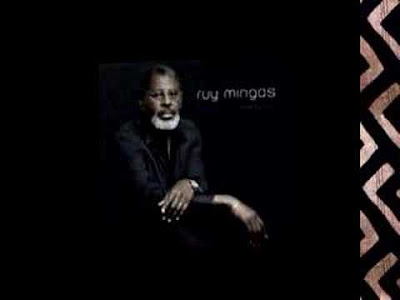
Ruy MingasHá dias atrás escrevi um post acerca da música clássica do Ruy Mingas, o Monangambé. Transcreno na íntegra o comentário do Fernando Ribeiro, por considerar bastante interessante o link que ele nos fornece. Obrigado Fernando!

"Prezado Cláudio,

O monangambé, como é que ele vivia e como é que ele era tratado foram assunto de um artigo que escrevi para o blogue "Mukandas do Monte Estoril", a convite do proprietário deste. Não fiquei satisfeito com o texto, que ficou muito palavroso, mas procurei retratar a realidade, tal como ela era no tempo do colono.

Um dia destes, talvez eu reescreva completamente o texto e o publique no meu próprio blogue, devidamente acompanhado pela canção de Rui Mingas (que agora assina Ruy com Y, vá-se lá saber porquê...).

Se tiver curiosidade em saber o que escrevi, aponte o seu rato para o seguinte link:

http://huambino.blogs.sapo.pt/84610.html"

Saturday, September 11, 2010

Uma tarde ao som de Ngola Ritmos

Sou muito jovem para perceber, para realmente entender e sentir, o verdadeiro impacto dos Ngola Ritmos. Restam-me somente as historias dos mais-velhos e um ou outro artigo, uma ou outra entrevista que me permite ter uma ideia da força cultural que foi este grupo. Dizem os kotas que quando os Ngola Ritmos apareceram a cantarem em kimbundo, ainda antes de 1950, eram muitas as caras envergonhadas, tão desesperados estávamos nos para abraçar a cultura portuguesa em detrimento da nossa. Mas foram os Ngola Ritmos um dos primeiros a ter orgulho na sua identidade angolana, ou melhor, a criar esta ideia que existe sim uma identidade angolana, diferente e independente da identidade portuguesa. Conta Amadeu Amorim, integrante dos Ngola Ritmos, que os ventos independentistas que começaram a soprar em Luanda tiveram a sua génesis no Bairro Operário, que por sinal também era o ‘palco principal’ deste grupo de música.

Houve um tempo em que encontrar músicas dos Ngola Ritmos era mesmo difícil. Mas agora graças a internet pelo menos já se pode recuperar algumas sonoridades a muito tempo perdidas. É que em Angola ainda não há um real interesse em salvaguardar e proteger o nosso património musical, as nossas raízes. Ainda não somos um Cabo Verde ou um Mali no que toca a este aspecto. E muitas das vezes são os estrangeiros a fazer isto por nós, a ir vasculhar nas caves da RNA para minar tesouros da musica angolana para depois lançar as mesmas no mercado internacional. Falta-nos visão, talvez. Respeito pela história nacional.

O pouco que sei dos Ngola Ritmos, fui buscar de alguém que sabe muito mais que eu. É no blog do Ikono onde é possível descarregar discos inteiros dos Ngola Ritmos, e é lá também onde encontrei este link a uma interessante entrevista ao Senhor Amadeu Amorim, integrante dos Ngola Ritmos. Aconselho vivamente a sua leitura.

Deixo-vos com clássicos dos Ngola Ritmos que escuto nesta tarde ensolarada. Sons de uma Angola antiga, uma Angola que ainda não era ‘livre e independente’. Sons doutros tempos, mas que até hoje ainda são cantados por uma grande quantidade de músicos nacionais. Fiquem com Xikela, Dya Ngo We, por sinal uma das minhas preferidas, e a sempre clássica Muxima.

Xikela
Dya Ngo We
Muxima

An afternoon listening to Ngola Ritmos

I’m too young to fully understand, to truly feel, the impact that Ngola Ritmos had in Angolan music, identity, and popular culture. All I have are stories from the elders and an article or two, an old interview perhaps, that allows me to begin to grasp the cultural force that was Ngola Ritmos. The grownups and grandparents say that when Ngola Ritmos first appeared, in the late 1940s/early 1950s, they were shunned by many because of their insistence in singing in the national dialect Kimbundu in detriment of Portuguese. They were among the first to feel proud of their Angolan identity, the first to assume that such an identity even exists, in the face of constant and oppressive pressure to become part of the Portuguese national fabric. Amadeu Amorim, member of the band, says that they played an integral part in the first stirrings of independence in Angola, and most of its members were part of the militant nationalist movements.

One of the best accounts I’ve read about the Ngola Ritmos is on their Wikipedia page, and apparently a Miss Marissa J. Moorman wrote it. Take a look:

"Liceu Vieira Dias, Domingos Van-Dúnem, Mário da Silva Araújo, Manuel dos Passos and Nino Ndongo created around 1947 the Ngola Ritmos band, in order to assert their Angolan identity. They sung kimbundu music with guitar and small percussion. In the 1950s, the band comprised Liceu, Nino, Amadeu Amorim, José Maria, Euclides Fontes Pereira, José Cordeira, Lourdes Van-Dúnem and Belita Palma. Their lamentos were inspired by the daily chronicles or funeral laments sung by bessangana women and their sembas by popular dances. Carlitos Vieira Dias once said: "The semba is an adaptation of the kazukuta rhythm. My father transposed the kimbundu rhythms for the guitar. He knew European, Portuguese and Brazilian music. He composed in the minor mode, notably the lamentos". Zé Maria quote of Liceu: ”He was a master. He was the leader of Ngola Ritmos and gave us the matrix for musical conception. His mom and mine acted as our judges. When they told us it wasn’t good enough, we had to go back and rehearse some more“. Ngola Ritmos created a style that would inspire generations of musicians. The lead guitar introduced the theme and often intervened in counterpoint to the voice. The second guitar ensured the rhythmic frame, the bass guitar (six-stringed at the time) marked the beat, almost like a percussion, while the drum and dikanza (scraped instrument) backed up the ensemble. Singing was inspired by popular traditions, the chorus answering the lead voice. While such songs as Mbiri Mbiri, Kolonial, Palamé or Muxima have been covered by numerous singers, recordings by Ngola Ritmos are very rare. Muxima and Django Ué were recorded in Luanda. Most of the members of Ngola Ritmos were nationalist militants, Liceu, a founding member of the MPLA liberation movement and Amadeu were arrested in 1959 and deported to the Tarrafal prison in Cape Verde, to return only ten years later. Nevertheless, the band lasted until the late sixties, recording the song Nzage in Lisbon. The heritage of Ngola Ritmos is not only a music genre. It is also a state of mind, an attitude."

I’ll leave you with a couple of Ngola Ritmos songs that I’m listening to on this sunny afternoon. Stay with Xikela, Dya Ngo We, one of my favorite jams of theirs, and the always classical Muxima. Songs that have been covered by a multitude of Angolan singers of later generations. Ikonoklasta’s blog is another depository of Ngola Ritmos albums…give it a visit in case you want more.

Wednesday, August 25, 2010

Uma tarde ao som de Ruy Mingas

Ruy MingasO sol finalmente se fez sentir, esta tarde, em Luanda. Entre o mar de centenas de carros afogandos no asfalto esburacado da cidade, viajava livre pelo ar uma brisa fresca, o último suspiro do cacimbo. Cheguei a casa exausto depois de uma maratona burocrática: finalmente consegui 'tratar' do meu BI novo, porque o meu antigo foi expirar logo ontém. Pus o iPod a rodar e qual foi a minha surpresa, agradável, em ouvir a voz conhecida do Ruy Mingas na canção triste do Monagambé.

Naquela roça grande
não tem chuva
É o suor do meu rosto
que rega as plantações

Naquela roça grande tem
café maduro
E aquele vermelho cereja
são gotas do meu sangue...
....feitas seiva....

Lembro-me que foi a primeira canção que eu alguma vez ouvi do Ruy Mingas, ainda quando era puto, nas andanças com o meu pai lá em Washington. Monangambé era uma das suas músicas preferidas angolanas. Ele a ouvia no carro vezes sem fim, ou a punha a tocar em casa depois de mais uma lição de história angolana. Monagambé, o explorado, o quase-escravo, na sua própria terra, condenado a colher café. Recebia, em troca,

Fuba podre
Peixe podre
Panos ruins, 50 angolares

Porrada, se refilares.


Para sempre associarei o termo Monangambé a esta canção do Ruy Mingas. São inseparáveis no meu cérebro, sinónimos mentais.

Hoje em Luanda ainda chamam monangambé às pessoas que viajam na carroça das carrinhas, mesmo se são chineses com os seus fatos cor de laranja berrante a caminho de uma obra qualquer. E já agora, já que o tema é Ruy Mingas, fiquem também com a Homenagem a Liceu Vieira Dias, instrumental acústica a um dos grandes nomes da música angolana. Bem haja, kota Ruy Mingas.

Monangambé
Homenagem a Liceu Vieira Dias

Wednesday, July 14, 2010

O Xi Não, by Simentera feat. Touré Kunda

SimenteraI have heard many beautiful songs in my life, beautiful because of their simplicity and integrity, and O Xi Não is about as beautiful as they come. It was composed by Simentera, a traditionalist Cape Verdean roots band that specializes in vocal performances rich in harmony, soul, and melody. At times their sound is quite akin to the vocal choirs so prominent in Christian churches. Simentera was founded by the supremely gifted Mário Lucio Sousa, who majored in law but abandoned his trade to become a multifaceted artist, dedicating himself to music (six-string guitar), painting, and writing. Besides being the force behind Simentera, he has also published several books and participated in various art exhibitions both in Cape Verde and abroad.

Simentera differ from other Capeverdean artists in the sense that they continue to live and work in the archipelago, constantly drawing from its charms and character to create the lovely music you hear on this post. O Xi Não features the Senegalese music duo Touré Kunda and is vintage Simentera, full of that swaying Capeverdean rhythm, imposing African drums, sweetly sounding creole vocals and the unique West African soul provided by Touré Kunda. It is one of the highlights of Simentera's impressive discography, and you can find it on their album Tr'adictional.

O Xi Não

Ao longo da vida tenho escutado muitas músicas lindas, mas poucas chegam a ser tão lindas como O Xi Não. Foi composta pelos Simentera, uma banda roots tradicionalista do Cabo Verde que especializa em performances vocais cheias de soul, harmonia, e melodia. Fazem lebrar os grupos de coristas das igrejas cristãs. A banda foi fundada pelo muito talentoso Mário Lucio Sousa, que formou-se como advogado mas terminados 10 anos de carreira decide dedicar a sua vida à arte. Hoje, para além de ser a força musical por detrás dos Simentera, já escreveu vários livros e como pintor participou em várias exposições tanto em Cabo Verde como no estrangeiro.

Os Simentera são um pouco diferentes de outro artistas caboverdeanos, no sentido que eles vivem e trabalham mesmo em Cabo Verde. Talvez venha daí a sua inspiração, talvez seja por viverem no paraíso musical que são estas ilhas que fazem músicas como O Xi Não. É uma canção que conta com a participação do duo senegalês Touré Kunda, e exemplifica o estilo musical da banda caboverdeana, um estilo com aquele ritmo aliciante do arquipélago, muita poesia, batuques, lindas vozes a cantarem em crioulo, e o soul africano dos Touré Kunda. O Xi Não é sem dúvidas um dos destaques da discografía dos Simentera, e consta no seu CD Tr'adictional.

-Photo by Piranha Musik

Mario Lucio Sousa on Myspace
Simentera on Mondomix and Amazon
Simentera on Piranha Musik

Monday, July 12, 2010

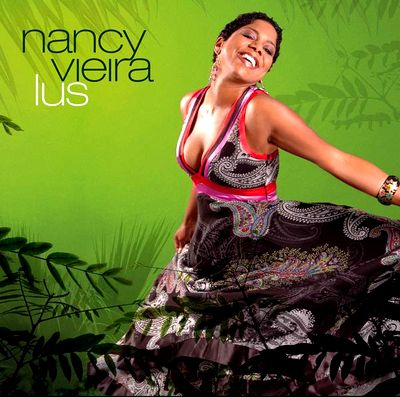
Late Nite Lounge Vol. 24 - Nancy Vieira

Nancy VieiraIn this post-World Cup hangover, my voice was hoarse from screaming in Spanish among the Spaniard revelers in Cape Town last night, Nancy Vieira's voice serenaded my night. Another revelation from Cape Verde's always vibrant musical scene, Nancy makes music clearly rooted on the island's aural traditions but with a healthy and appealing dose of South American rhythms, especially from Cape Verde's musical sister, Brazil. Lus is her most recent album, a luscious blend that displays her sweet, melodic voice and Cape Verde's rich rhythms. Lus plays nicely from start to finish and dispenses with the forward button on your iPod/stereo altogether. My favorite tracks on the album are the title track, the melodiously acoustic Lus, and her duet with Capeverdean legend Tito Paris, Esperança de Mar Azul.

Lus
Esperança de Mar Azul

Nesta estranha época pós-mundial, com a minha voz rouca de tanto gritar em espanhol com os ínumeros espanhóis dançando e cantando em Cape Town ontem à noite, a Nancy Vieira foi a minha companhia. Serenou-me na noite de domingo e pela manhã ensolarada de segunda-feira. É mais uma revelação da sempre rica cena musical caboverdeana. A música dela é claramente inspirada pela cultura musical do seu país, mas também pelos ritmos musicais da América Latina, principalmente do Brasil. Lus é o seu álbum mais recente, uma saborosa viagem musical que destaca a sua voz doce e os ritmos que só existem em Cabo Verde. Ouve-se Lus sem problemas desde o príncipio ao fim, sem precisar de saltar qualquer das músicas. As minhas tracks preferidas incluem Lus, serena e acústica, e Esperança de Mar Azul, que ela faz com o pai grande da música caboverdeana, o kota Tito Paris.

-Photo by Hafred

Nancy Vieira on Myspace
Nancy Vieira's blog
Lus on Amazon

Friday, July 9, 2010

Uxía

This blog on Lusophone music would be incomplete without the inclusion of Galician music. Galician, also known as Galego, is the mother tongue of the Portuguese language, and it is from Galego that Portuguese evolved. Galego is still spoken by about 3 million people worldwide and is most prominent in the Galician region of Spain, where over 90% of the population speaks it fluently. Native Portuguese and Spanish speakers will be able to read it and understand it just fine. And it sounds lovely, especially when sang by someone like Uxía.

Uxía is one of Galicia's most gifted musicians. I learned about her and the Galician language through Aline Frazão (as I previously had no idea of its existence), who also told me about another fine Galician musical group called Marful. The enjoyable Uxia has been making music since 1986 when she debuted with Foliada de Marzo, but it is Eterno Navegar, her latest album, that is profiled here. It's a flowing album heavily influenced and inspired by Galicia's strong maritime culture, and features collaborations with a host of Lusophone musicians such as Sara Tavares and Manecas Costa. The first track featured here, the luscious As Nossas Cores, features the beautiful Cape Verdean singer Sara Tavares interlinked with an acoustic guitar and a piano, while the lively and festive Berenguela features Manecas Costa on guitars and vocals as well as Eneida Marta and Jon Luz.

You can listen to Uxía's entire album (Eterno Navegar) on her beautifully maintained website, rich in information, complete with notes on each song where the singer described how she harnessed the inspiration to make these aurally pleasant compositions.

As Nossas Cores
Berenguela

Este blog sobre músia lusófona estaria incompleto sem a inclusão de música galega. O galego é a língua de Galiza, região espanhola ao norte de Portugal, e tambêm a língua materna do português. Antes de falarem português, já os povos da região ibérica que hoje chamamos Portugal falavam galego. Hoje, o galego é falado por mais de 3 milhões de pessoas concentradas na Galiza mas tambêm espalhadas pelo mundo. Na Galiza, cerca de 90% da população fala galego fluentemente, e falantes de português e espanhol não teram problema em a ler e compreender. Soa lindamente, especialmente quando cantado por alguêm como a Uxía.

A Uxía é uma das mais talentosas artistas da Galiza. Só tive conhecimento da existência desta língua irmã pelo intermédio da Aline Frazão, que ha tempos falou-me não só da língua mas de outro grupo musical galego, os Marful. A Uxía tem estado a fazer bonitas músicas desde 1986, quando lançou o seu primeiro trabalho Foliada de Marzo, mas é o Eterno Navegar, seu mais recente album, que foi escolhido para ser perfilado neste espaço. É o único album dela que tive o prazer de escutar, e foi inspirado pela cultura marítima do povo galego. Nele particaparam artistas galegos e lusófonos, incluindo a Sara Tavares, o Manecas Costa, e a Eneida Marta. A primeira faixa destacada aqui, As Nossas Cores, tem a participação da sempre amável Sara Tavares, cantando entre sons de guitarras acústicas e pianos melódicos. A mais festiva e mexida Berenguela tem o grande Manecas Costa na guitarra e nos vocais, e tambêm a Eneida Marta e o Jon Luz.

Pode se ouvir o album inteiro da Uxía (Eterno Navegar) na sua muito bem organizada website, onde é possível ler, em suas próprias palavras, a inspiração de cada música e uma curta história acerca delas. O website está em galego, inglês, e espanhol.

-Photo by lace1952

Eterno Navegar on Amazon
Uxia.net
Related Posts Plugin for WordPress, Blogger...