Showing posts with label musica guineense. Show all posts

Monday, May 7, 2012

"O álbum começa no domingo e termina no sábado."

Translated, it means "the album starts on Sunday and ends on Saturday". It wasn't me who said it, it was MCK, right at the intro. That's exactly what we'll do here at the Lounge: during this upcoming week until Saturday, I will post a couple of songs from MCK's latest album, Proíbido Ouvir Isso, as a way to celebrate an artist whose work I admire. It wasn't too long ago that MCK was distributing his albums on an underground network via his trusted friends because he thought it too unsafe to show his face in public; today, he has become so much more than a hip-hop artists, and those who have followed his journey know that well. Proíbido Ouvir Isso has been playing on my iPod, in my house, on the way to work, for weeks now...around here, it's everything but proíbido (prohibited).

Today, we'll start at the beginning: the intro, Fogo Amigo. The first time I heard it, what touched me the most, besides MCK's words of wisdom with which he traditionally starts his albums, was the song he covered. That guitar, the lamenting chorus: "na kaminho di luta..." Who was that? Which song is that? It didn't take long to find out. One quick question to a friend, who turns out was the guy who actually suggested the song to MCK, and I found out who the owner of that voice was. It was none other than the great Zé Manel, one of Guinea-Bissau's most celebrated musicians, there to remind us that there is actually more than coup d'etats and narcotrafficking in that failed state. They still make beautiful music there. The song is called Na Kaminho di Luta and you can find it on the Maron di Mar album, available for download on Amazon. It's an extraordinary song, incredibly haunting; I found myself listening to it again and again, trying to understand Zé Manel's creole poetry. Press play and listen for yourself - both MCK's intro and the song that inspired it. Thank you, Zé Manel.

Fogo Amigo
Na Kaminho di Luta

Não fui eu que disse, foi o Katro! Logo na intro. É exatamente o que farei aqui no Lounge durante a próxima semana: cada dia irei postar músicas do álbum Proíbido Ouvir Isso, como celebração do trabalho de um cantor que admiro. Aliás, há muito que o MCK deixou de ser somente um cantor, e os que conhecem o seu trajecto sabem-no perfeitamente. Proíbido Ouvir Isso tem tocado no iPod, em casa, ao caminho do salo...nestas bandas, é tudo menos proíbido.

Hoje, comecemos pela intro, Fogo Amigo. A primeira vez que a ouvi, o que me tocou mais, para além das sempre sábias palavras com as quais o Katro já nos habituou nas intros dos seus álbuns, foi a música do fundo. Aquela guitarra, aquele refrão, que quase parece um choro: "na kaminho di luta..." Não foi preciso muita pesquisa para conhecer a fonte: bastou uma pergunta bem colocada a um amigo, por sinal o mesmo que sugeriu a música ao Kapa, para saber de quem era esta linda música. Nada mais nada menos que o grande Zé Manel, músico consagrado do nosso país irmão, aquele que está sempre em sofrimento, a Guiné Bissau. Ainda se faz música de qualidade naquele país. A música chama-se Na Kaminho di Luta e faz parte do álbum Maron di Mar (que pode ser downloadado no Amazon). É uma canção extraordinária, comovente, um lamento; dou por mim a ouvi-la várias vezes, a tentar compreender o crioulo do kota Zé Manel. Vá-la, carrega no play e aprecia tanto a intro como a sua fonte de inspiração. Obrigado, Zé Manel.


No sofa da sala todos são críticos
Na rua é só sim chefe;
No trabalho é só sim chefe;
No partido é só sim chefe.

O Kapa do cacimbo é o mesmo do verão...

Thursday, September 15, 2011

Caipirinha Lounge Presents: Lusofonia Acústica, Vol. 3


The third edition of the Lusofonia Acústica series is finally available for download. So far it’s the playlist that I’ve had the most fun working on, just because of the sheer quality of music that has been released recently, or that I’ve finally stumbled upon. It was only in these last few months that I found out about talented and unique artists like Thiago Pethit, Tulipa Ruíz, and Tiê, all from Brazil; it was in these last few months that Aline and César released their impressive album A Minha Embala; it was in these last few months that I started listening to the Portuguese Ana Moura’s distinctive voice, got a hold of the cape-verdean Mayra Andrade’s acoustic live recording, and delved deeper into Narf & Manecas Costa’s Guinean-Galician musical union. At the same time I haven’t forgotten about the usual suspects, such as Terrakota, who released a strong album in World Massala, Sara Tavares, and even the Kafala Brothers, who I hadn’t heard in years. So as I said, a huge pleasure this playlist has been. I hope you enjoy it. Below is the order the tracks should be played in; click the picture or the link above to download your copy.

Lusofonia Acústica Vol. 3 


1. Kaputo Mwangolê, by Banda Next (Angola)
2. Sweet Jardim, by Tiê (Brazil)
3. Pé na Tchon, by Terrakota (Portugal)
4. Nunca Mais, by Zuco 103 (Brazil)
5. Amiga da Minha Mulher, by Seu Jorge (Brazil)
6. Filho da Kianda, by Paulo Flores feat. Romi Anauel (Angola)
7. Ponciana, by Lura (Cape Verde)
8. Né Djarabi, by Terrakota ft. Paulo Flores (Portugal/Angola)
9. N’pirdi Coragem, by Eneida Marta (Guinea-Bissau)
10. Assinado Eu, by Tiê (Brazil)
11. Zorro, by António Zambujo (Portugal)
12. Jeitos, by Aline Frazão (Angola)
13. Fuga N° 1, by Thiago Pethit (Brazil)
14. Do Amor, by Tulipa Ruíz (Brazil)
15. Ponto de Luz, by Sara Tavares (Cape Verde)
16. África, by Kafala Brothers (Angola)
17. Natural Luz, by Ellen Oléria (Brazil)
18. A Sós Com a Noite, by Ana Moura (Portugal)
19. Esta Noite, by Narf & Manecas Costa (Galicia/Guinea-Bissau)
20. Transparente, by Mariza (Portugal)
21. August Day Song, by Bebel Gilberto (Brazil)
22. Telemóvel, by Tcheka (Cape Verde)
23. Dimokransa, by Mayra Andrade (Cape Verde)
24. Bagi, by Kimi Djabaté
25. Olhar Adiante (Angola)


Está finalmente disponível para download o terceiro volume da série Lusofonia Acústica. Foi talvez até agora a compilação que tive mais prazer em selecionar, devido à alta qualidade das músicas ao meu dispor. Foram nestes últimos meses que conheci a obra sonora de grandes artistas como Thiago Pethit, Tulipa Ruíz, e da Tiê, todos do Brasil; foram nestes últimos meses que a Aline e o César lançaram A Minha Embala; foram nestes últimos meses que conheci a voz da portuguesa Ana Moura, que ouvi o CD acústico da cabo-verdeana Mayra Andrade, e que ouvi com mais seriedade o trabalho em conjunto do Narf e o Manecas Costa, que souberam unir a Guiné-Bissau com a Galicia. Mas não me esqueci também dos suspeitos do costume, caso dos Terrakota, que lançaram um grande álbum em World Massala, a Sara Tavares, e até os Kafala Brothers, que não ouvia há uns bons anos. Foi, portanto, uma delicia construir esta playlist. Espero que gostem. Eis a ordem das músicas. Carregue no link acima ou na foto para fazer o download da playlist.

- Cover photo by Cláudio Lwakuti

Monday, September 12, 2011

Lusofonia Acústica Vol. 3 on 8tracks

The 3rd edition of Caipirinha Lounge's Lusofonia Acústica series features 25 beautiful acoustic tracks by the Lusophone world's most talented contemporary musicians, including Brazil's Thiago Pethit, Angola's Banda Next, and Portugal's Ana Moura. Download available very soon!


 A terceira edição da Lusofonia Acústica contém 25 lindas composições maioritáriamente acústicas cantadas pelos mais talentosos músicos da actualidade lusófona, incluindo o Thiago Pethit do Brazil, a Banda Next de Angola, e a Ana Moura de Portugal. Brevemente disponível para download aqui mesmo!

Wednesday, February 23, 2011

Retrospectiva 2010 / Best of 2010: Música Gálega no Lounge

Narf e Manecas Costa, by Itaú Cultural
2010 marked the first time that Galician music graced the Lounge. Prior to last year, I didn't even know that Portuguese and Galician were descendants of the same mother tongue, Galician-Portuguese, nor had I heard the beautiful music coming from that region of Spain. Marvelous musicians such as Uxía and Narf were featured here, as were their groundbreaking collaborations with other Lusophone artists such as Manecas Costa. 2010 marked the year that the Lounge became truly, completely, Lusophone.

Explore Galician music featured in the Lounge, and stay with Emigrante, by Narf and Manecas Costa.

Emigrante

2010 foi o primeiro ano em que a música galega fez parte do Lounge. Antes do ano passado, nem sequer sabia que o galego e o português são descendentes da mesma língua mãe, o galego-português, e de tão parecidas que são, ás vezes parecem ser a mesma coisa. Nem nunca tinha ouvido a música cantada nesta língua, a poesia auricular que vem daquela parte de Espanha. Cantores como a Uxía e o Narf ajudaram-me a saír da minha ignorância e passaram a ser destacados neste espaço, assim como as suas constantes colaborações com outros artistas lusófonos, tais como o Manecas Costa. 2010 foi o ano em que o Lounge se tornou verdadeiramente, e completamente, lusófono.

Explorem a música galega aqui no Lounge, e fiquem com Emigrante, da dupla Narf e Manecas Costa.

Friday, January 7, 2011

Caipirinha Lounge Presents: Lusofonia Acústica, Vol. 2

Demorou, mas finalmente aí está. Depois de uma batalha intensa contra a internet angolana, que vai abaixo quase que cada 20 minutos, fazendo-me ter que recomeçar o upload deste ficheiro de 172MB e vê-lo avançar em velocidade de minhoca, finalmente troquei do meu fiel Filedropper para o Sendspace, que permite continuar o upload de ficheiros mesmo depois da internet 'pifar'. O que finalmente permitiu o upload do ficheiro. E não só isso, acho que hoje foi mesmo o meu dia de sorte, porque encontrei uma Net One muito bem disposta. Mas a vida é assim, coisas que noutros mundos levam meia hora aqui levam semanas. O que interessa é que pelo menos agora já é possível fazer um upload deste tamanho com internet wireless e de banda larga, porque ainda me lembro do tempo em que isto era impossível...

Mas continuando! Compor esta mixtape deu-me imenso prazer, porque nela incluo muitas das minhas músicas preferidas dos tempos mais recentes. Ouviram músicas acústicas de Gabriel Tchiema, Sandra Cordeiro, Frei Fado d'el Rei, Projecto Tsikaya, Maria Gadú, Ruy Mingas, OqueStrada, Grasspoppers, e de vozes mais conhecidas neste espaço, como a Uxía, a Aline Frazão e o Manecas Costa. É mais uma (robusta) compilação de artistas dos mais variados cantos do mundo lusófono, e contém 25 lindas canções no total. Umas antigas e quase que esquecidas, outras rurais e cruas, e outras moderníssimas. Umas em Galego, outra em Tchokwê, umas em crioulo e claro, as restantes em português. Espero que gostem. Segue a ordem das músicas. E enquanto baixa o ficheiro, fiquem com Quando Amanhecer da Vanessa da Mata e o Gilberto Gil, faixa número 11.

It took awhile, but it's finally here. I fought the Angolan internet and won. The internet here is such that it cuts off at least 5 times per hour. Every time it does, I have to restart this 172MB upload and watch it crawl along at snail's pace. I finally ditched Filedropper in favor of Sendspace, where my mixtape upload resumes from the same spot even if the internet decides to take a walk. It's the only way I was able to finally complete this upload. And I also think today was my lucky day, because my internet provider, NetOne, was happier than usual and rarely went down. But such is life, tasks that elsewhere take me half an hour take me weeks here in the motherland. What's important is that at least now making such an upload, wirelessly, is possible, because I remember the times when we were happy to just have electricity...


But nonetheless! Composing this mixtape was a truly pleasurable experience. I included in it many of my favorite songs over the past few months, so you will be hearing music from Gabriel Tchiema, Sandra Cordeiro, Frei Fado d'El Rei, Projecto Tsikaya, Maria Gadú, Ruy Mingas, OqueStrada, Grasspoppers, and several others including Uxía, Aline Frazão, and Manecas Costa. If you don't recognize any of the names above, then you are in for a real treat. This is another (robust) compilation featuring musicians from all corners of the Lusophone world, and it contains 25 songs in total. Some older, others newer, some rural and raw, others sleek and contemporary. Some in Galician, one in Tchokwê, some in Portuguese creole, and the rest, of course, in Portugal. I really do hope you enjoy them. Below is the order of the playlist, and while it's downloading, listen to Quando Amanhecer by Vanessa da Mata featuring Gilberto Gil, the eleventh track on the mixtape.

Quando Amanhecer

1. Shimbalaiê, by Maria Gadú (Brazil)
2. Yssaka, by Gabriel Tchiema (Angola)
3. Lero-Lero, by Luísa Maita (Brazil)
4. Berenguela, by Uxía (Galicia)
5. Rosinha, by Maria de Barros (Cape Verde)
6. Líderes da Difusão Romântica Rural, Projecto Tsikaya (Angola)
7. Um Luxo Só, by Rosa Passos (Brazil)
8. Nha Mame, by Narf & Manecas Costa (Galicia/Guinea Bissau)
9. Se Esta Rua Fosse, by OqueStrada (Portugal)
10. Viagem do Verso, by Frei Fado d’El Rei (Portugal)
11. Quando Amanhecer, by Vanessa da Mata feat. Gilberto Gil (Brazil)
12. Kod, by Kimi Djabaté (Guinea Bissau)
13. Mama Divua Diame, by Avozinho (Angola)
14. Monangambé, by Ruy Mingas (Angola)
15. Guia, by António Zambujo (Portugal)
16. Pé na Lama, by Paulo Flores (Angola)
17. Folha de Feijão Makonde, by The Grasspoppers (Portugal/Mozambique)
18. Dam Bu Mon, by Tcheka (Cape Verde)
19. Cantei, by Konde (Angola)
20. Oxi Não, by Simentera feat. Touré Kunda (Cape Verde/Senegal)
21. Lus, by Nancy Vieira (Cape Verde)
22. Hoje, by Sandra Cordeiro (Angola)
23. Palavra, by Mayra Andrade (Cape Verde)
24. Maria Silêncio, by A minha embala (Aline Frazão e César Herranz) (Angola/Spain)
25. Menina Flor, by Stan Getz & Luis Bonfa, from Thievery Corporation CD ‘Sounds from the Verve Hi-Fi’ (Brazil/USA)

Download Mixtape here


Monday, December 27, 2010

Kimi Djabaté

When you think of  music from Guinea-Bissau, you are most likely to arrive upon the sounds of gumbe and the works of the premiere ambassador of Guinean music, a certain Manecas Costa, or, for the more familiar, the distinctive voice of Dulce Neves. So when you first listen to Kimi Djabaté's CD Karam, it might seem a bit more Mali then Guinean, a bit more Ali Farka Touré than Eneida Marta. But when you consider that the two countries are in close proximity to each other and share musical traditions, various customs, and that what is now Guinea-Bissau was once part of the Malian Empire, the music of Kimi begins to make sense. Like the Tourés and countless other musicians, Kimi also comes from a family of griots, or musical storytellers, and is one himself.

The album Karam is thus Kimi's account of Guinean life, the stories, people, and emotions that move him. It is primarily Djabaté's voice back by the balafon (a type of xylophone endemic to that region in Africa), the guitar, and the kora (stringed instrument), with some percussion and brass here and there. They combine to create a richly melodic and distinctive piece of work, such as in the upbeat and vivacious song Manla. But at times it is also understated and mellow, as the song Kod will attest to. Kimi Djabaté has been singing for many years but it's nice to see him finally get the recognition and widespread availability that a contract with the Cumbancha label affords him.

Manla (I Cannot Believe It)
Kod (Love)

Quando pensamos em música guineense, vem-nos logo à cabeça sons e imagens do estilo gumbe, ou então do maior embaixador da música guineensse, o Mr. Manecas Costa. Os mais iniciados na matéria, talvez se lembrem da Dulce Neves. É pois uma sensação um pouco aquém do esperado quando tocamos o album Karam do Kimi Djabaté na aparelhagem e nos deparamos com um estilo mais parecido com o Mali do que com a Guiné Bissau, um som um pouco mais Ali Farka Touré do que Eneida Marta. Mas se termos em conta a proximidade destes dois países tanto em termos geográficos como musicais, e se nos lembrarmos que o espaço onde existe hoje a Guiné Bissau já fez parte do império maliano, a música do Kimi já começa a ser menos 'estranha' e mais familiar. Ainda mais porque como muitos músicos malianos, incluindo o Ali Farka Touré, o Kimi Djabaté também é um griot, ou seja, um contador de histórias de forma musical. 

O disco Karam pode então ser chamado uma coleção de histórias, emoções e experiências vividas na realidade guineense pelo Kimi Djabaté. Sobressaem as vozes do Kimi e os seus vocalistas, e ouve-se a constante guitarra e kora e o ainda mais constante balafon (instrumento parecido com o xilofone). O resultado desta combinação é uma obra de arte bastante melódica e distinta, tal como se pode ver na alegre canção Manla. Mas ás vezes também pode ser um pouco mais comedida e melancólica, como ouvimos na música Kod. O Kimi Djabaté já canta há longos anos mas é bom ver-lhe finalmente ter o reconhecimento que merece e os canais de distribuição que um contrato com a label Cumbancha o oferecem.

Monday, December 20, 2010

Brevemente / Coming Soon: Lusofonia Acústica, Vol. 2

Enquanto ainda não está dísponível para download, já podem ter um cheirinho desta nova mixtape do Caipirinha Lounge no 8tracks.

While it's not yet available for download, you can get a taste of Caipirinha Lounge's new playlist on 8tracks.

-Guitar photo by Rawrfulz

Thursday, December 16, 2010

Brevemente / Coming Soon: Lusofonia Acústica, Vol. 2

Featuring music from Tsikaya, Maria Gadú, Narf e Manecas Costa, Ruy Mingas, Maria de Barros, Vanessa da Mata, Tcheka, Sandra Cordeiro. Coming soon, but for now, click play for the sneak "preview"...


Com músicas de Nancy Oliveira, Ellen Oléria, Uxía, Simentera, Grasspoppers, Konde, Paulo Flores, Avozinho, Frei Fado d'El Rei, etc. Sai brevemente, mas até lá, carregue no play para um 'sneak preview'...

Monday, November 1, 2010

Reedicão / Re-edition do Lusofonia Acústica Vol. 1

Devido a demanda e a rápida desactualização do link, foi relançada a primeira mixtape do Caipirinha Lounge! Para todos aqueles que não conseguiram fazer o download da mixtape, ou que apanharam já o link desactualizado, aqui vai uma segunda chance. Que escutem, que apreciem e que disfrutem.

Abaixo tem o link da mixtape, bem como a ordem da mesma e a informação de cada música. Como qualquer playlist, soa melhor se tocado exactamente na ordem descrita acima. Não hesitem em comentar caso encontrem algum problema com o download.

Atenção que este link expira depois de cerca de uma semana. Caso estejam a ler isto depois da desactualização do link, sempre podem ouvir a mixtape no perfil do Caipirinha Lounge no 8tracks.

1. Moodswings, by 340ml (Mozambique)
2. Allegro, by Madredeus (Portugal)
3. Pata Lenta, by Norberto Lobo (Portugal)
4. Na Bu Mons, by Eneida Marta (Guinea-Bissau)
5. Sabu, by Tcheka (Cape Verde)
6. Ermons di Terra, by Manecas Costa (Guinea-Bissau)
7. Libramor, by Lura (Cape Verde)
8. Di Alma, by Sara Tavares (Cape Verde)
9. Jussara, by Zuco 103 (Brazil)
10. Babel, by Aline Frazão (Angola)
11. Meu Esquema, by Mundo Livre S/A (Brazil)
12. Juána, by Mayra Andrade (Cape Verde)
13. Deusa do Amor, by Moreno Veloso (Brazil)
14. Starman, by Seu Jorge (Brazil)
15. Dez Ilhas, by Dino (Portugal/Cape Verde)
16. Ate Quem Sabe, by Rosa Passos (Brazil)
17. Day by Day, by Luca Mundaca (Brazil)
18. Samba em Prelúdio, by Paulo Flores feat. Mayra Andrade (Angola/Cape Verde)
19. Fotografia, by Mariana Moraes (Brazil)
20. Morro du Kussava, by Waldemar Bastos (Angola)

Download Mixtape here:

Lusofonia Acústica, Vol. 1


Back by popular demand! Due to the number of inquiries and the quick deactivation of the link, Caipirinha Lounge's first mixtape, Lusofonia Acústica Vol. 1, is again available for download! For all of you that couldn't download the mixtape earlier or caught the link after it expired, here's a second chance. Serve that caipirinha chilled and nourish your soul with some quality music.

Above is the link, the track order, and some information on each song. Like any playlist, this one is best enjoyed if the songs below are played in order. Don’t hesitate to comment if you experience any problems with the download.

Keep in mind the link above is only functional for about a week, If you happen to read this after the link has expired, you can still listen to the playlist on Caipirinha Lounge's profile on 8tracks.

Thursday, August 26, 2010

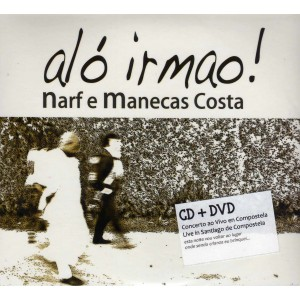
Aló Irmão, by Narf and Manecas Costa

It's because of collaborations like these that the Lounge exists. Narf and Manecas Costa are two artists from two very different places and experiences, but yet built a flourishing friendship based on their mutual love of music and the Lusophone identity. Built on that Lusophone spirit. Narf is from Galicia, the northwestern area of Spain that speaks Galego, the mother tongue of Portuguese. Uxia's galego. Manecas Costa meanwhile is perhaps the most well known and most respected musician from Guinea-Bissau. His sublime guitar skills grace many a Lusophone musician's compositions, as he has played for luso-artists such as the aforementioned Uxia, the Angolans Paulo Flores and Konde, and his fellow Guinean Eneida Marta. Narf is an artist who I am a lot more less familiar with, but who's joie de vivre and musicality I've greatly appreciated in this album.

The two songs featured on this post capture the mood of this partnership, the bridge between their different yet strangely similar cultures. Aló Irmão, the album opener and title track, is perhaps more Galician, and it features beautiful guitar work as well as shared vocals. Nha Mame is more Guinean and vintage Manecas. Hearing the album from start to finish is a lot more rewarding than sampling just these two tracks, and this is the first we've heard from Manecas, vocally speaking, in quite awhile. The entire album is recorded live.

Aló Irmão
Nha Mame

É por colaborações destas que o Lounge existe. Narf e Manecas Costa são dois artistas de lugares e experiências completamente diferentes, mas que conseguiram construir uma amizade baseada no amor que eles sentem pela música e pela sua identidade lusófona. Contruiram esta amizade com base no seu espírito Lusófono. O cantor Narf é galego, tal como a Uxia que também já foi destacada aqui. O idioma que fala é que depois deu origem à língua portuguesa. Já o Manecas Costa é talvez o artista mais cotado e respeitado da Guiné Bissau. A sua mestria com a guitarra consta nas músicas de vários artias lusófonos, entre eles a já mencionada Uxia, os angolanos Paulo Flores e Konde, e a sua conterrânea Eneida Marta. Conheço pouco o Narf, mas apreciei a sua joie de vivre e a sua musicalidade, mais que evidenciada neste álbum.

As duas músicas destacadas neste post capturam a alegria com que foi feito este trabalho. É uma ponte entre as duas culturas ali presentes, tão diferentes mas estranhamente comuns. Aló Irmão abre o disco e é mais 'galega' que Nha Mame. Nela se podem ouvir os dotes dos dois com a guitarra, e se escuta tanto o galego como o crioulo guineense. Nha Mame é toda ela em guineense, e se ouve o Manecas como nunca mais se tinha ouvido. E como se não bastasse, o álbum foi gravado ao vivo.

Aló Irmão's Official website
Aló Irmão on Myspace

Sunday, May 2, 2010

Kizomba Saturdays Vol. 4 - Preta da Guiné

Kizomba SaturdaysAbout Kizomba Saturdays: Saturday has always been a day of kizomba. Living in Luanda, there was always a boisterous neighborhood party to go to on a Saturday night, where we would exhaust ourselves dancing kizomba after kizomba, waiting for that special tarraxinha to come on so that we could go slow dance with that girl we have a crush on. Even during the day, the aunts or cousins would put on an album while they cleaned or cooked, dancing spontaneously on the quintal (backyard) while the beans cooked and the fish grilled. I find myself keeping the tradition alive here in the States, where come the weekend I invariably play kizombas, even though I have no one to dance with. I figured I’d bring that tradition here to the Lounge: Kizomba Saturdays.

Reader response required! To finally put the Kizomba Saturdays series up to date, I chose the beautiful kizomba Preta da Guiné, but have no idea who the singer is. I am hoping that the Lounge’s readers in Portugal, Angola, Cape Verde, or elsewhere can shed some light on this most unfortunate issue. Hopefully “Preta da Guiné” is the actual name of the song. I remember Preta da Guiné from quite a few years back, when it used to play all over Luanda. I specifically remember hearing it on one of the December vacations I took in Angola, and promptly bought a version of the song on the streets. All it said was that the singer’s name was António. Never have I been able to verify the song’s actual name and artist, and countless searches on Google have proven ineffective. It’s a kizomba I love however, and without even knowing the veracity of the author’s name, or any other song of his, I commend him for this one kizomba. For all it’s worth.

Preta da Guiné

Sobre o Kizomba Saturdays: Para mim, sábado sempre foi um dia de kizomba. Na banda (Angola), sábado à noite há sempre uma festa de quintal para se ir dançar kizomba ao nosso bel prazer, dançar até as pernas começarem a estremecer de cansaço, dançar até vir aquela tarraxinha que estavamos à espera, e aí sim, podemos parar de dançar e em vez tarraxar com aquela mboa que nos estava a olhar a festa toda. Coisas da banda. Mesmo durante o dia, as tias e as primas botam um CD na aparelhagem com aquelas kizombas que param multidões, e enquanto o feijão ferve e o cacusso grelha, são várias as danças espontâneas no quintal entre primo e tia, sobrinho e irmã, convidado e pato. Porque patos há sempre, até para o almoço de sábado. Aqui nos States, tento, teimosamente, manter a tradição. Acordo aos sábados e boto kizomba na aparalhegam. Meus roommates só me olham. Ja estão habituados. Danço com a vassoura, afinal elas existem para quê? Decidi então trazer este hábito para o Lounge: Kizomba Saturdays. Para atenuar a saudade da banda.

Preciso da vossa ajuda caros leitores! Para finalmente pôr em dia os Kizomba Saturdays, escolhi a linda canção Preta da Guiné. Mas tenho um pequeno problema: não faço ideia de quem será o cantor desta melodia! Espero que os leitores do Lounge espalhados pelo mundo, mais concretamente em Portugal, Angola, ou Cabo Verde, me possam elucidar. Também espero que Preta da Guiné seja realmente o título deste tema. Lembro desta música desde a muito tempo. Julgo que a primeira vez que a ouvi foi durante umas férias de Dezembro passadas em Luanda, e esta música tocava em todo sítio. Creio que, de tanta ansiedade, comprei a música na rua, e o nome que constava na capa era de um tal “António”. Não podendo na altura comprovar a veracidade deste facto, fiquei a conhecer a música assim mesmo: Preta da Guiné, por António. Nem as pesquisas no Google surtiram efeito. Todavia, é uma kizomba que aprecio e que trás saudade. E mesmo não conhecendo o seu autor, só posso lhe dizer obrigadão por tão bela kizomba. Talvez um dia o meu obrigado chegará a ele...

Tuesday, March 23, 2010

Caipirinha Lounge Presents: Lusofonia Acústica, Vol. 1

There you have it. Lusofonia Acústica, Vol. 1 - Caipirinha Lounge’s first mixtape. Or playlist, if you prefer to call it that. It’s a present to all of you readers that have enjoyed listening to the music posted on this website over the past year, and here’s to hoping that you keep coming back.

The main ingredient on this mixtape, the factor that ties all these songs together, is their use of the acoustic guitar, so vital in Lusophone music. There are sounds here from Angola, Mozambique, Portugal, Brazil, Guinea-Bissau, and Cape Verde, and the beauty of Lusophone music is that all these songs share a special kinship – they sound strangely familiar to one another. A Guinean song is placed after a Portuguese song and it seems that they could have come from the same land; a Cape Verdean sings in Creole right after you hear a Brazilian singing in their particular accent and it sounds strangely, pleasantly similar, and you forget for a second that they are two different languages. Some of the songs on this mixtape have been posted here, and others not, so you’ll be discovering some alluring new music.

As with all playlists, it only makes sense if you hear the songs in order (making a playlist of these songs on iTunes greatly helps the cause). Babel has to be listened to in between Jussara and Meu Esquema, Allegro before Pata Lenta, Di Alma after Libramor, etc:

1. Moodswings, by 340ml (Mozambique)
2. Allegro, by Madredeus (Portugal)
3. Pata Lenta, by Norberto Lobo (Portugal)
4. Na Bu Mons, by Eneida Marta (Guinea-Bissau)
5. Sabu, by Tcheka (Cape Verde)
6. Ermons di Terra, by Manecas Costa (Guinea-Bissau)
7. Libramor, by Lura (Cape Verde)
8. Di Alma, by Sara Tavares (Cape Verde)
9. Jussara, by Zuco 103 (Brazil)
10. Babel, by Aline Frazão (Angola)
11. Meu Esquema, by Mundo Livre S/A (Brazil)
12. Juána, by Mayra Andrade (Cape Verde)
13. Deusa do Amor, by Moreno Veloso (Brazil)
14. Starman, by Seu Jorge (Brazil)
15. Dez Ilhas, by Dino (Portugal/Cape Verde)
16. Ate Quem Sabe, by Rosa Passos (Brazil)
17. Day by Day, by Luca Mundaca (Brazil)
18. Samba em Prelúdio, by Paulo Flores feat. Mayra Andrade (Angola/Cape Verde)
19. Fotografia, by Mariana Moraes (Brazil)
20. Morro du Kussava, by Waldemar Bastos (Angola)

I hope you enjoy it. And if you do, rest assured that this is the first of many. And just in case you need an added stimulus, here is the last track of the compilation, the beautiful Morro du Kussava by Waldemar Bastos.

Morro du Kussava

“O mundo, o mundo é tão bonito…” he sings. The same can be said about Lusophone music. Que disfrutem!

Download playlist here:

Lusofonia Acústica, Vol. 1

**If you experience any problems with the download, do let me know!**

E aí está. Lusofonia Acústica, Vol. 1 – a primeira mixtape do Caipirinha Lounge. Ou primeira playlist, o que prefiram. É um presente para todos vocês, leitores, que têm vindo cá para o Lounge durante um ano (!) para escutar o que há de bom na música lusófona, música maravilhosa. Que voltem sempre, e que espalhem a mensagem.

O ingrediente principal deste mixtape é a guitarra acústica. Instrumento único no mundo da música lusófona, a guitarra acústica é o elo que liga as diversas melodias destes diversos países, tão diferentes mais tão iguais. Os sons desta compilação vêm de Angola, Moçambique, Portugal, Brazil, Guiné-Bissau, e Cabo Verde. A pecularidade da música lusófona é que não obstante a distância que separa os artistas destas canções, as mesmas são similares, docemente parecidas, familiares uma das outras. Um som da Guiné vem logo a seguir a uma música portuguesa e parece que foram feitos na mesma terra; uma música caboverdeana em creole segue um canto brasileiro e por instantes até parece que a língua é a mesma, tão parecidas que são. Muitas das músicas desta compilação já foram aqui postadas, mas outras não, por isso irá certamente descobrir música nova.

Como qualquer playlist, esta só faz sentido se os sons forem ouvidos numa certa ordem (o programa perfeito para por as músicas numa determinada ordem é o iTunes). A música Babel tem que ser ouvida entre Jussara e Meu Esquema; Allegro soa melhor antes do Pata Lenta, Di Alma depois do Libramor, e por aí em diante.

1. Moodswings, by 340ml (Moçambique)
2. Allegro, by Madredeus (Portugal)
3. Pata Lenta, by Norberto Lobo (Portugal)
4. Na Bu Mons, by Eneida Marta (Guiné-Bissau)
5. Sabu, by Tcheka (Cabo Verde)
6. Ermons di Terra, by Manecas Costa (Guiné-Bissau)
7. Libramor, by Lura (Cabo Verde)
8. Di Alma, by Sara Tavares (Cabo Verde)
9. Jussara, by Zuco 103 (Brasil)
10. Babel, by Aline Frazão (Angola)
11. Meu Esquema, by Mundo Livre S/A (Brasil)
12. Juána, by Mayra Andrade (Cabo Verde)
13. Deusa do Amor, by Moreno Veloso (Brasil)
14. Starman, by Seu Jorge (Brasil)
15. Dez Ilhas, by Dino (Portugal/Cabe Verde)
16. Ate Quem Sabe, by Rosa Passos (Brasil)
17. Day by Day, by Luca Mundaca (Brasil)
18. Samba em Prelúdio, by Paulo Flores feat. Mayra Andrade (Angola/Cabo Verde)
19. Fotografia, by Mariana Moraes (Brasil)
20. Morro du Kussava, by Waldemar Bastos (Angola)

Espero que gostem. E se gostarem, fiquem descansados que esta é a primeira mixtape de muitas. E caso precisares de uma razão adicional para downloadar isto, fique com Morro du Kussava, a linda música do Waldemar Bastos que fecha o disco.

"O mundo, o mundo é tão bonito..," canta o kota Bastos. O mesmo se pode dizer acerca da música lusófona. Que disfrutem dela!

Friday, July 17, 2009

Dulce Neves

Dulce NevesI first heard N’Tchanha by Dulce Neves on a Putumayo compilation (by the way, Putumayo compilations are the best compilations know to man, ever.) N’Tchanha is one of those tracks that kind of haunt you for awhile after you’ve stopped listening to it. I think it’s because of Dulce Neve’s distinctive voice – I have yet to hear a voice quite like that. It’s not in the same category as her compatriot Eneida Marta’s, nor is it as throaty and sensual as Mayra Andrade’s from Cape Verde. But it grabs your attention nonetheless. Dulce sings N’Tchanha to the sound of deftly played guitars and the distinctive sound of the Guinean water drum, so essential to the gumbe rhythm. It makes for an intoxicating combination. Unfortunately though, it is next to impossible to obtain Dulce Neves tracks, as she has next to nothing available anywhere on the internet or on iTunes. Finding a photo of her was an ordeal in and of itself. But I guess listening to N’Tchanha on repeat kind of makes up for it. At least I like to pretend that it does.

N'Tchanha

A primeira vez que ouvi N’Tchanha foi numa compilação Putumayo (e já agora, as compilações de Putumayo são as melhores compilações que alguma vez tive o prazer de ouvir). N’Tchanha é uma daquelas canções que fica contigo horas depois de a ouvir. Acho que é por causa da voz distinctiva dela – não é da mesma categoria que a voz da sua compatriota Eneida Marta, nem é sensual e ofegante como a voz da Caboverdiana Mayra Andrade. Mas mesmo assim, a voz dela agarra os teus sentidos. A Dulce Neves canta N’Tchanha com a ajuda de guitarras tocadas lindamente, e o batuque de água tão essencial para canções de estilo gumbe. É uma bela combinação. Infelizmente, é quase impossível encontrar canções dela online, ou mesmo no iTunes. So já encontrar uma foto dela foi uma missão quase impossível. Mas acho que ouvir N’Tchanha em repeat no iPod quase que compensa. Pelo menos para mim foi asism.

Dulce Neves on Youtube

Thursday, April 23, 2009

Eneida Marta

Eneida MartaAnother gem from the sands of Guinea Bissau, Eneida Marta’s soothing music is a far cry from the current plight of her homeland and makes you wonder if the people driving Guinea into abject strife know that such poignant beauty is created in their own country. Calm and confident, Eneida’s voice travels along a background of acoustic guitar and water drums, reminiscent of her compatriots Bidinte and Manecas Costa and very similar to Cesária Évora’s brand of morna. A great example is N’pirdi Coragem, sung in Guinean Creole, a simple stripped down number prominently featuring her voice and the ever-present guitar. Na Bu Mons is a bit more mellow and haunting, but with a lifting chorus where a deep male voice is the perfect accompaniment to Marta’s.

N'Pirdi Coragem
Na Bu Mons

Mais uma jóia musical das terras de Guiné Bissau, a música calmante de Eneida Marta é um antídoto as notícias de sofrimento e pobreza que nos chegam sempre daquelas paragens. Até faz-nos pensar, será que os que arrastam a Guiné para o lado errado da história têm conhecimento da beleza aural que é criada naquele país? Relaxade e comovente, a voz de Eneida Marta soa lindamente sobre as guitarras e batuques d’água, como uma espécie de versão feminina de Bidinte e Manecas Costa. Até faz lembrar os mornas de Cesária Évora. Um belo exemplo é N’pirdi Coragem, cantado em creole, um arranjo musical simples em que a sua voz e a guitarra acústica são as principais personagems. Em Na Bu Mons, uma canção linda, o coro é cantado por Eneida e uma voz masculina grossa, fazendo uma parceria perfeita.

Eneida Marta on Griot Sound
Eneida Marta's Myspace

Saturday, April 4, 2009

Manecas Costa

Manecas CostaWhile many people have never heard of Guinea-Bissau and cannot find it in a map, its music deserves far wider recognition. Click on Ermons di Terra and hear Manecas Costa lovingly play the acoustic guitar to a beautiful gumbe* melody replete with native Guinean sounds such as the water drum. Listen to how his soulful voice reaches out, how it yearns, how it complements the melody perfectly. His music is universal and you don’t need to understand Creole to appreciate its unique qualities. Manecas Costa is one of Guinea-Bissau’s most accomplished musicians, a master of the acoustic guitar. He has played with several notable musicians including the Angolan Waldemar Bastos, the Spaniard Jose Romero, and Sara Tavares. His lyrics usually have a social theme, dealing with the many difficulties of his country. Manecas composes, produces, and writes all his own material, and his skills are displayed to full effect on the catchy tune Fundo di Matu, a hit when it came out in Portugal, his adopted home.

Ermons di Terra
Fundo di Matu

Enquanto que ha muita gente pelo mundo afora que nunca ouviu falar de Guiné Bissau nem o consegue encontrar num mapa, a sua música merece uma consideração muito maior. Ouça a bela canção Ermons di Terra, em estilo gumbe...escute o arranjo instrumental, puramente guineense, como o batuque d’agua...escute a forma como Manecas Costa toca a guitarra amorosamente, como a voz dele soa lindamente sobre a melodia, repleta de alma e sentimento, cheia de soul. Manecas Costa é um dos embaixadores principais de música guineense, mostrando ao mundo que existe um lado belo de Guiné Bissau, londe dos assasinatos políticos que assolam a capital. Um mestre da guitarra acústica, Manecas Costa ja tocou com o conhecido Waldemar Bastos, o espanhol José Romero, e Sara Tavares. As suas letras têm um conteúdo fortemente social, descrevendo e comentando sobre o dia a dia guineenese. Ele compõe, produz, e escreve o seu próprio material, incluindo a canção Fundo di Matu, uma das suas mais conhecidas canções. Guiné Bissau pode ser um dos países mais probres do mundo, mas Manecas Costa, Bidinte, e outros fazem da sua música uma das mais ricas em África.

*Gumbe is a rhythm of song native to Guinea-Bissau

- Photo by Daniel Arantes

Manecas Costa on Amazon

Monday, March 30, 2009

Bidinte

Bidinte
You have most likely come across the grim story of Guinea-Bissau's recent coup d'etat. You have probably seen pictures of the blood splattered kitchen where Ex-President Nino Vieira was shot and attacked with machetes, days after he had ordered the death of his army chief. The next day, there wasn't even any kind of popular unrest, and incredulous Westerners reported that the locals didn't care much about what had happened and were not that surprised. That is the real tragedy of Guinea-Bissau, one of the poorest countries in the world and lagging behind every kind of conceivable development index. A bloody, violent double murder that ended with the death of the two most powerful people in the country failed to shock the tired population, the population of a country that displays to the world the worst of what Africa, and humans, are capable of doing.

This is the kind of atmosphere and reality that has spawned Bidinte, a gifted song writer, composer, percussionist, vocalist, and guitar player. He sings in Guinean Creole, a fusion of Portuguese and native African dialects. Bidinte is proof that even in the most hellish of places, art survives. Music exists. Poetry is created. Bidinte's songs are mournful and haunting, with clear Malian influences that when paired with his vocals and guitar, produce a very fresh sound. Considjo di Garandis is a great example. However, the juxtaposition of his words and the images in his video for the song Ke Cu Menino Na Tchora, available on iTunes, left me speechless...

Considjo de Garandis

Normalmente, só ouvimos falar de Guiné Bissau quando alguma tragédia acontece. Recentemente, foi a morte violenta, à catanada, do seu Presidente, feita como resposta à morte do seu chefe das forças armadas, que ele mandou matar. Nos dias seguintes, não houve nenhuma grave reação da população. Jornalistas europeus e americanos perguntavam, incrédulos, como tanta apatia era possível depois de um evento como este. Esta é a real tragédia de Guiné Bissau: ja aconteceu tanta besteira que a sociedade perdeu a sua capacidade de admiração. A morte violenta das duas pessoas mais importantes no vida política do país não admirou la muita gente. E assim caminha Guiné Bissau, rumo ao fracasso total.

É este tipo de ambiente que produz um Bidinte. Bidinte este que, na face de tanto descalabro, optou pela música, pela poesia, pela guitarra, pelo batuque, em fim, optou pela responsabilidade de trazer um pouco de felicidade à sua gente. Bidinte é prova de que mesmo quando o ser humano opta por transformar um paraíso, como são as terras de Guiné Bissau, em inferno, a arte sobrevive. A música não para. A poesia não morre. As canções de Bidinte são tristes e emocionantes, com claras influenças de música maliana que, quando combinado com as habilitações vocais do mesmo, produzem um som único. Considjo di Garandis é um belo exemplo. Mas as imagens e a letra da música Ke Cu Menino na Tchora deixaram-me sem palavras...


Bidinte on NatGeo
Bidinte CD Kumura
Related Posts Plugin for WordPress, Blogger...