Showing posts with label reggae. Show all posts

Sunday, January 22, 2012

Caipirinha Lounge Cinema: Brown Skin Guy

This is the first single off The Grasspoppers brilliant new CD, Lovers Rock Inna Week, featuring the captivating Mozambican Selma Uamusse. The video was released three days ago on The Grasspoppers blog, Afro Lx, and captures images of the crew in concert.

Este é o primeiro single do brilhante novo CD dos Grasspoppers, Lovers Rock Inna Week, e conta com a participação da moçambicana Selma Uamusse e a sua voz captivante. O vídeo foi lançado há três dias no blog da malta dos Grasspoppers, Afro Lx, e contém imagens do grupo em concerto.


Brown Skin Guy - Grasspoppers from Ras Kitchen Film on Vimeo.

Friday, November 18, 2011

Caipirinha Lounge Cinema: Passa, Dribla, Chuta, Marca Um Golo Sonhador

Passa, Dribla, Chuta, Marca Um Golo Sonhador from Ras Kitchen Film on Vimeo.

Uma entrevista feita pela Ras Kitchen Film a um dos meus músicos preferidos.

Ras Kitchen Films interviews one of my favorite musicians.

Wednesday, September 7, 2011

Redemption Song, by Prince Wadada

Prince Wadada
Unfortunately I know very little of one of Angola’s most well-known reggae artists, Prince Wadada. The man has been living in Portugal since 1998 and has released several well received albums, but for some reason they never made it to my eardrums; but, I have heard him in several Grasspoppers compilations. This past week however I caught wind of his Redemption Song remix and was surprisingly hooked. Redemption Song is among my favorite Bob Marley and I don’t think I’ve ever heard a remix I liked…until I heard this one. Perhaps because the genre of choice is close to home. Prince Wadada managed to reinterpret the song Soukous-style; soukous is an enormously popular musical style popular throughout the Congos, northern and eastern Angola, Eastern Africa and beyond. It works quite well with this song, and it’s almost as if Bob Marley came home. Look for it on Prince Wadada’s upcoming release, Dança na Buála, coming out on the 16th of this month.

Redemption Song (Sokous Remix)

 Infelizmente sei muito pouco acerca do Prince Wadada, uma mas mais famosas vozes do reggae angolano em particular e lusófono em geral. O Wadada vive em Portugal há largos anos, desde 1998, e desde então tem lançado vários álbuns, que por qualquer razão nunca ouvi. Mas, ja senti do seu vibe em diversas compilações dos Grasspoppers e gostei do que ouvi. Na semana passada tomei conta duma remix que ele fez de uma das músicas imortais do Bob Marley, Redemption Song, e dei por mim a ouvi-la várias vezes. Gostei da cena, e nunca tinha ouvido uma remix do Bob Marley que gostasse. Mas esta é diferente...será porque o ritmo é tão contagiante? É que o mano Wadada revestiu o brinde com um soukous delicosos, daqueles que nos fazem dançar que nem os nossos irmãos congoleses, porque afinal de contas é lá que este ritmo nasceu. É uma forma de dizer, bem-vindo à casa, Bob Marley. Podem encontrar esta e outras músicas do Prince Wadada no seu mais novo álbum a sair dia 16 deste mês, Dança na Buála.

Friday, August 12, 2011

The Grasspoppers Presents: Lovers Rock Inna Week

As soon as I heard that The Grasspoppers were releasing the successor to Dub Inna Week, continuing with the theme of creating an album from start to finish in the space of one week while proverbially locked in their studios in Lisbon, I was curious to see if they could top their first effort. The successor, Lovers Rock Inna Week, takes the original concept but adds a different theme: love. Thus all the songs on Lovers Rock are about love and lust, set to sumptuous reggae beats. After letting the album marinate in my soul and soak into my eardrums for the last couple of days, listening to it to and from work, dissecting it, listening to it from start to finish and then on shuffle, I feel like I’m finally ready to write about it.

Lovers Rock Inna Week grows with each listen. If there were any kinks in the original Inna Week album, the Gulli siblings and their many collaborators smoothed things out. The melodies are captivating, the reggaes are infectious, the bass line is sick. Helder Faradai features in several tracks and is in an inspired mood throughout; Prince Wadada is another regular on this album and is used to great effect. Marisa Gulli’s voice at first listen doesn’t seem to be anything special but I absolutely love hearing her on these reggaes, even just speaking rather than singing: on this album, Dancehall do Engate is Dub Inna Week’s Dub Safari, where she just speaks on top of the reggae beat. But the strength of this album is such that although songs like Dancehall do Engate and Meu Novo Amor (where Milton Gulli Daniel Cruz sings) are among my preferred jams, they’re not even among the three songs featured here.

That honor has to go to Brown Skin Guy, Doo Doo Doo and Carta a Uma Cidade Anoitecida. The Grasspoppers released Brown Skin Guy as their single as they promoted the album, to spike people’s interest. It’s a very strong track and as the second song on the album, sets things up beautifully. The Mozambican diva Selma Uamusse, whose voice reminds me a bit of Macy Gray, is fantastic, and the chorus, which goes “secretly in love, with my best friend…” is more relatable than you’d think...

Both Doo Doo Doo and Carta a Uma Cidade Anoitecida feature an Helder Faradai in fine form. The man adds an element of quality Angolan rap on these reggae tracks that elevate them; Prince Wadada, David Cruz and Milton Gulli also add their vocals to the Doo Doo Doo and the end result is pretty damn good. Carta a Uma Cidade Anoitecida features Marisa Gulli on spoken word, and she just kills it. Helder Faradai makes an appearance towards the second half of the song. This song in particular transforms after each listen and is perhaps the album’s standout track.

I was talking (Facebook chatting) with Helder yesterday and he asked me which album I thought was better. As hard as the question is, and as much as each compilation deserves to stand on its own, the comparisons are inevitable. I have to say, though, that Lovers Rock is the better of the two. The entire album just gels together – for example, the Intro and the last song Garota are the same rhythm & beat, and when the intro starts you want it to go on for longer, only for it to stop after less than a minute. But then when Garota come on you feel rewarded, because that was such a good beat to go to waste. True, some songs don’t work as well as others – I don’t care much for Fall in Luv – but when you take into account that they cranked this out in one week, collaborating with some of the best Lusophone artists out there, it’s damn impressive. Six paragraphs later and I’m finally able to shut the hell up and give you the links (click on the link below or the image) so you can download the entire album (for free.99) and listen for yourself.

The Grasspoppers Presents: Lovers Rock Inna Week

Brown Skin Guy
Doo Doo Doo
Carta a Uma Cidade Adormecida

Logo que dei conta que o lançamento do novo álbum dos Grasspoppers, o sucessor do Dub Inna Week, era iminente, fiquei curioso em saber se conseguiriam repetir a proeza. É que o que eles fazem é impressionante: fecham-se no seu cubico em Lisboa e durante uma semana fazem o álbum inteiro, do princípio ao fim, num ambiente que deve ser propício para a criação de música de qualidade. Desta vez o tema foi o amor, e em vez de dub as melodias são de um reggae suntuoso, vivo, recheado. Depois de deixar o álbum a temperar nos molhos da minha mente, depois de o deixar penetrar pelos meus tímpanos enquanto caminhava do trabalho à casa, ou na selva do subway de Nova Iorque, do princípio ao fim, seguido ou em shuffle, sinto que já o conheço o suficiente para escrever sobre ele.

O Lover’s Rock Inna Week cresce com cada audição. Das pouquissimas falhas que existiam no Dub Inna Week, os manos Gullis e os seus vários colaboradores fizeram com que não restasse quase nenhuma. As melodias são captivantes, os reggaes contagiantes, as bass lines um espectáculo. O Helder Faradai participa em várias faixas e estava claramente inspirado durante a gravação; o Prince Wadada é outra participação regular e benvinda neste álbum. A voz da Marisa Gulli não parece ser grande coisa em termos de timbre e técnica mas adoro ouvi-la nestes reggaes e adoro o seu jeito particular de encarar as músicas: muitas vezes ela nem canta, limita-se simplesmente a falar, a conversar com o ritmo e o ouvinte, e o efeito é excelente. Se no álbum passado ela o fez no Dub Safari, neste álbum ela o faz novamente, mas de uma forma mais sexy, no Dancehall do Engate. Fogo, também quero ser engatado assim. Mas a qualidade deste álbum é tal que grandes sons como Dancehall do Engate e Meu Novo Amor, em que o Milton Daniel Cruz canta, nem estão entre as minhas três músics preferidas.

Esta particularidade vai para Brown Skin Guy, Doo Doo Doo, e Carta a Uma Cidade Adormecida. Os Grasspoppers lançaram Brown Skin Guy como o primeiro single do álbum enquanto o promoviam, para aguçar o apetite do pessoal. Acertaram em cheio. É um som forte, e como o primeiro brinde após a intro, faz um bom papel em definir o estado de espírito do álbum. A diva moçambicana Selma Uamusse tem uma voz que causa arrepios. Faz-me lembrar a Macy Gray, e a sua pariticipação nesta música foi fantástica. O refrão, “secretly in love with my best friend...” dá que pensar…

Tanto Doo Doo Doo e Carta a Uma Cidade Anoitecida contam com a participação do Helder Faradai, que está em grande forma. O mano adiciona o elemento de rap angolano de qualidade à estas faixas de reggae, e o resultado eleva a complexidade do som; o Prince Wadada, o David Cruz e o Milton Gulli também adicionam os seus ‘vocals’ ao Doo Doo Doo e o resultado final faz desta música entre as melhores do disco. Carta a Uma Cidade Anoitecida tem a participação da Marisa Gulli em formato de spoken word, e mais uma vez a moça ‘arrebenta’ com o mambo. O Helder Faradai aparece mas pra segunda metade do som. Esta música em particular merece várias audições e é talvez a melhor do Lovers Rock.

Ontém estava a falar com o Faradai (leia-se: a conversar Facebookalmente) e ele perguntou-me qual dos dois Inna Weeks era melhor. É uma pergunta difícil de responder, e cada compilação merece ser avaliada nos seus próprios méritos. Mas as comparações são por natureza inevitáveis, e para mim o Lovers Rock é o mais completo e o melhor dos dois álbuns. Gosto da maneira que o álbum foi concebido, e dos detalhes pequenos – por exemplo, a intro começa logo com um beat muito forte mas por ser intro é bastante pequena, e pensamos logo que o beat foi sub-aproveitado; mas, quando vem Garota, a última música do disco, com o mesmo beat e ritmo, vemos que afinal o beat não foi desperdiçado. Curti este toque. E claro, algumas músicas não trabalham tão bem como outras – não achei Fall in Luv grande coisa – mas quando levamos em conta que todo este trabalho gravado numa semana, e contou com a colaboração de vários músicos lusófonos de qualidade, é um trabalho impressionante. Já vão seis parágrafos; vou mazé me calar e vos fornecer o link para fazerem o download (grátis!) do álbum (clicando abaixo ou na imagem), para que oiças por ti próprio(a). E deixo aqui também a descrição dos manos acerca da sua compilação:

The Grasspoppers Presents: Lovers Rock Inna Week

“Sim ... perdemos novamente a cabeça durante uma semana. Fechados no mesmo estúdio que no ano passado, sem nenhuma preocupação, nenhuma pressão, as mesmas bebidas, as mesmas fumaças, os mesmos instrumentos e o mesmo computador portátil! Esta vez, em vez de dub, tentámos recriar o feeling daquelas velhas canções de reggae romântico, dos anos 60 aos anos 90. Lovers Rock foi a nova tarefa e pudemos sentir o amor no ar ... o Verão estava a começar. Foi necessário muito treino para captar aquele feeling: a audição dos discos de Gregory Isaacs, Dennis Brown, Sugar Minott , Freddy Mcgregor, Johnny Osbourne, Alton Ellis, entre outros, alimentou a nossa inspiração para a semana do amor. A doce combinação de vozes de soul com basslines e ritmos de reggae foi a nossa inspiração. Soubemos imediatamente que iríamos precisar de grandes cantores que pudessem assumir o reggae romântico como o seu hábitat natural. Tivemos cantores de soul, cantores de reggae, cantores de jazz, e quando eles vieram ao estúdio, o mel gotejava do microfone enquanto a banda continuava a despejar novos riddims e idéias. Criação pura inspirada pelos grandes clássicos. Às vezes doce e romântico, às vezes sexy e provocante, eis a nossa mensagem de amor para o louco século 21.

Clica na imagem para fazer o download gratuito!!!


For free download click on the photo!!!" - The Grasspoppers

Monday, April 11, 2011

Caipirinha Lounge Presents: Reggae Lusófono, Vol. 1

Reggae en Brasil, by tiavir
Desde uma tenra idade que o reggae tem sido um dos meus géneros de música preferidos. O reggae nasceu como música de intervenção social, mas rapidamente se tornou no estilo de música de eleição para divulgar todo tipo de mensagem, desde apelos à paz a poemas amorosos a gritos de ordem, por gente do mundo inteiro. É um dos géneros de música mais universais deste planeta. Muitas vezes o reggae é usado como música de alegria e festa, e é por isso que foi o ritmo escolhido para brindar o Lounge depois de dois anos de vida.

Desejo-vos então boas vindas ao Reggae Lusófono Vol. 1, uma mixtape que contem 16 músicas de diferentes pontos do universo lusófono, unidas não só pelo reggae mas pelo facto de serem cantadas em português, salvo raras excepções. São dubs do angolano Carlos Lamartine, dos luso-moçambicanos Grasspoppers e dos moçambicanos 340ml; são roots reggaes de gente como Kussonduluo e Natiruts. No meio ouvem-se líricas românticas da Daniela Mercury e Vanessa da Mata. Botem na aparelhagem em voluma alto, porque esta é uma mixtape que merece ser sentida.

Since I was a young kid that reggae has been one of my favorite genres of music. It was born as a medium for social intervention but quickly became the medium of choice to convey a wealth of different messages, from appeals for peace to pleas for love to a call to arms, embraced by people all around the world. It’s one of the most universal genres of music out there. More often than not, reggae is also used as a festive genre, one that expresses joy, and that’s why it was chosen to help celebrate the Lounge’s two years of existence.


Welcome then to Reggae Lusófono Vol. 1, a mixtape featuring 16 tracks from different points within the Lusophone universe, with the common factor of being top quality reggae jams sung in Portuguese, save for a couple of rare occasions where the musicians in question, although from a Lusophone country, chose to sing in English. You’ll hear dubs by the Angolan Carlos Lamartine, the Luso-Mozambicans Grasspoppers, and the Mozambicans 340ml; you’ll hear some roots reggae deep cuts by people like Kussondulola and Natiruts. In between you’ll listen to a romantic lyric or two from Daniela Mercury and Vanessa da Mata. Stick this in your stereo and turn up the volume, because the music in this mixtape deserves to be felt.

1) Dançam no Huambo, by Kussondulola (Angola)
2) Kuale N’go Valodo (Mauricio Pacheco remix), by Carlos Lamartine (Angola)
3) Nesta, by Stereo Maracanã (Brasil)
4) Complicação Dub, by The Grasspoppers (Portugal/Moçambique)
5) Nobre Vagabundo, by Daniela Mercury (Brasil)
6) Eu e Ela, by Natiruts (Brasil)
7) Hang on to Yourself (Rachel), by 340ml (Moçambique)
8) Vermelho, by Vanessa da Mata (Brasil)
9) Canto a Solta, by Paulo Flores (Angola)
10) Cangote, by CéU (Brasil)
11) Ilegais, by Vanessa da Mata (Brasil)
12) Do Outro Lado, by Monica Freire (Brasil)
13) Dub Safari, by The Grasspoppers (Portugal/Moçambique)
14) Guerrilheiro, by Kussondulola (Angola)
15) Bob Falou, by Natiruts (Brasil)
16) World Massala, by Terrakota (Portugal)

Download here:

Reggae Lusófono, Vol. 1

Saturday, April 2, 2011

Caipirinha Lounge Moves to New York

Manhattan, by lolmariam
You might have noticed things have been a little quiet around these parts, but there is an explanation, I promise. I recently moved to New York, to a new (demanding) career and a new place, and it has impacted the time I can spend here. Not to worry, beautiful music in Portuguese will continue to be heard, albeit perhaps not as frequently as when I was an unemployed "vagrant". The move to New York implies other benefits, among the most important the sheer amount of Lusophone concerts that Caipirinha Lounge will get to cover - everyone comes play in New York. Already CéU is coming to play at the Highline Ballroom in May, Bebel Gilberto lives here and plays constantly, DJ Nunas from AM Roots is around the corner...I'm excited. Here's an ode to the sun-bathed day it was today in the city, by Bebel Gilberto emulating Bob Marley.

Sun is Shining

Talvez o leitor tenha notado que últimamente as coisas aqui no Lounge tenham estado bastante calmas, mas há uma explicação, prometo. É que mudei-me para Nova Iorque, para uma nova (e exigente) carreira e vida. Claro que esta mudança tem tido um impacto no tempo que posso dedicar ao Lounge, mas não tem makas, "beautiful music in Portuguese" não vai a lado nenhum e está aqui para ficar, sendo a única mudança será talvez uma actualização mais demorada, já que não sou mais um 'kunanga' desempregado. A mudança para Nova Iorque trará outros benefícios, entre eles o constante fluxo de artistas lusófonos que vêm por cá em concerto, o que implica que o Lounge estará recheado de relatos dos mesmos. A CéU vem cantar no Highline Ballroom em Maio, a Bebel Gilberto vive aqui e toca constantemente, o DJ Nunas do AM Roots vive nestas bandas e está sempre nos 'decks' prácticamente na esquina, enfim, estou confiante que esta mudança vale a pena.

Abidjan Burning

I have already posted this song from Ivorian reggae star Tiken Jah Fakoly awhile back, but never has it been more poignant than today, as Abidjan burns and countless lives are lost in another bloody struggle for power in an African country. To the Ivorian people, my heart is with you. To those responsible, quitte le pouvoir

Quitte le Pouvoir

Num passado não muito distante, postei esta música do Tiken Jah Fakoly, artista de reggae da Costa do Marfim. Mas penso ser esta uma excelente ocasião para voltar a postar-la, sendo hoje um dia em que a capital marfinense está em chamas e centenas de vidas estão sendo perdidas por aqueles que acham que a vida humana não tem valor e que o poder é mais importante. E assim se vai mais um país africano. Para o povo marfinense, o meu coração está com vocês. Para os responsáveis de mais esta chacina, quitte le pouvoir.

Tuesday, March 1, 2011

Caipirinha Lounge Cinema: World Massala, by Terrakota

Eis o vídeo do "novo" single dos Terrakota, World Massala, que ainda estamos à espera cá nos States mas que já está disponível na Europa faz tempo.

Below is the video for Terrakota's 'new' single, World Massala, that we're still waiting for here in the states but that's been available in Europe for some time now.


Terrakota - "World Massala" from Fazuma on Vimeo.

Thursday, February 24, 2011

World Massala, by Terrakota

This album is an authentic party, I've no other way to describe it. It's a celebration of world music, of the melting pot of different and disparate rhythms and sounds into a coherent whole. I only knew of Terrakota's new album by way of Ikonoklasta's blog, a place I go to find quality music and thus thoroughly recommend. I only started listening to Terrakota due to Ikono and Conductor's participation in their Oba Train album (2007), and since then I've clamored to get my hands on whatever else they put out. World Massala is their fourth and latest studio album and perhaps the most surprising aspect about it is the introduction of a distinct Indian sound element to it. That sound is courtesy of the band's newest addition, Marc, himself a Catalan sitar, oud, shekele, and keyboards player who learned to play the sitar in India. It was to the subcontinent that Terrakota traveled to prior to recording this album, and that influence clearly shows.

The first single, titled after the album, is exactly the type of sound that I'm talking about. What do you even call such a genre? Terrakota calls it 'Punjabi afro-reggae', and to my knowledge they invented that sound. The lyrics are in Portuguese, but the vibe is at home in India, Jamaica, Angola, Argentina, Portugal, Colombia, and elsewhere...it's one of the most unique jams in the album. The second song featured here is my favorite one on the album, but these things tend to change over time. It's called Pé na Tchon and is a mixture of an infectious afrobeat with a powerful funaná, and Terrakota's Angolan singer Romi Anauel really gives us a dose of what she's about on this one. It's rhythm is absolutely infectious. Lastly there is the much, much calmer Raíz, featuring Paulo Flores, which I'm including here as a testament to the musical diversity on this album and to show that Terrakota does have its calmer moments.

This is by no means an extensive list of the best songs on the album, as all of them, without exception, would be at home here. When April 12 comes along, do yourself a favor and get a hold of this art piece. 

World Massala
Pé na Tchon
Raíz

Este album é uma autêntica festa, não há outra maneira de o descrever. É uma celebração da verdadeira world music, uma mistura dos mais diferentes e desiguais ritmos mundiais fundidos num só todo, um todo coerente, diga-se de passagem. Soube deste álbum através do blog do Ikonoklasta, lugar one eu vou buscar música de qualidade (recomendo vivamente). Só comecei a ouvir os Terrakota por causa da participação do Conductor e do Ikono no album Oba Train (2007) e nunca me arrependi. Desde então, tenho procurado os trabalhos desta banda em tudo que é canto. World Massala é o seu quarto e mais recente album de estúdio, e talvez o aspecto mais surpreendente deste disco é a mais nova adição à banda, o Marc, que trouxe consigo uma nova sonoridade à banda, uma sonoridade decidademente índia. É que o Marc, catalão de nascença, toca sitar, oud, shekele, e teclados, e foi mesmo na Índia que ele aprendeu a tocar sitar. E foi também à Índia onde este grupo foi antes de gravar este album, e a influência do subcontinente é patente na sua sonoridade.

O primeiro single do album também chama-se World Massala, e é exactamente esta a nova sonoridade que me refiro no parágrafo antecedente. Nem sei o que chamar a tal gênero...afortunadamente a banda sabe, e chama-o 'Punjabi afro-reggae.' Pudera! Acho mesmo que foram eles que o inventaram. A letra é portuguesa, mas a vibe seria bem vinda na Índia, na Jamaica, em Angola, em Argentina, na Colombia, e por aí em diante - a vibe é global e esta é uma das músicas mais marcantes do disco. A segunda música destacada acima é, neste momento, a minha preferida. Se bem que estes gostos tendem a mudar com o passar do tempo, mas neste caso dúvido mesmo. Chama-se Pé na Tchon e é uma mistura contagiante de afrobeat com funaná, e a voz da angolana Romi Anauel está em grande plano. Acho a voz dela a marca da banda. Por fim temos a muito mais calma Raíz, com a participação do Paulo Flores, que incluo aqui para mostrar a diversidade sonora desta obra de arte e também mostrar que os Terrakota têm uma vertente um pouco mais calma.

Esta não é de longe uma amostra de todos os grandes brindes do album, porque por mais incrível que pareça, gostei mesmo de todos. Se vives na Europa, o album já está disponível nas lojas...mereces uma prenda, vá-la a fnac e compra a cena.

Terrakota on Facebook
Pre-order World Massala on Amazon

Tuesday, January 18, 2011

Editor's Pick: The Top 10 Lusophone Albums of 2010

Read this first / Leia isto primeiro

10. Angolan Sound Experience, by Various Artists (Angola)
I loved the idea and the concept behind this album, but more than that, Totó's version of the Angolan classic 'Muxima' by itself would have guaranteed this two-disc album a place on this list. All jokes aside, at at time when popular pre-independence Angolan music is on a global resurgence, it's nice to see the in-house musicians releasing a work of their own. Angolan Sound Experience is a true showcase of Angola's new wave of musicians, singing the songs of their embattled parents, songs that defined a generation and a nascent country, and the talent here is palpable. I like some songs more than others, but as a whole the album is top class. And this version of Muxima...

Muxima

Mais do que a ideia e o conceito deste álbum, que é mesmo de louvar, a versão de Muxima cantada pelo Totó e incluída aqui por si só ja reservou o lugar deste álbum nesta lista. Mas falando à sério, numa altura em que a música popular angolana está a beneficiar de uma resurgência a nível mundial, é muito gratificante ver trabalhaos como este, feitos pela prata de casa. É uma verdadeira montra das melhores vozes angolanas da actualidade, cantando as músicas que definem a nossa angolanidade, as músicas que nos tocam no fundo. Gosto de umas músicas muito mais que outras, mas como um todo, o CD está muito bem feito. E esta Muxima...


9. Lero-Lero, by Luísa Maita (Brazil)
 
I still remember listening to this album for the first time - my first contact with it was Lero-Lero. I still remember how the lightness and the rhythm for the song grabbed me almost instantly, how the cavaquinho and the guitar played with each other in the opening riffs of the song before Luísa's breathy, distinct vocals enveloped you. The rest of the album doesn't disappoint either, with Fulaninha being another standout track that I particularly enjoyed. The addictive Da Lata remix of the song is available below for your aural pleasure. Seeing Luísa live in DC was one of the musical highlights of my 2010. MPB is alive and well.

Fulaninha (Da Lata Remix)

Ainda me lembro da primeira vez que ouvi este disco. O meu primeiro contacto com ele foi a música Lero-Lero, uma das melhores músicas que ouvi durante ano. Ainda me lembro da leveza da melodia, do ritmo contagiante, do cavaquinho a brincar com a guitarra no ínicio da música antes de entrar a voz distinta, ofegante e despreocupada da Luísa. O resto do album não deixa créditos em mãos alheias, e Fulaninha é outro dos destaques. Acima têm a remix viciante da mesma, feita por Da Lata. E para terminar, o concerto dela em Washington foi um dos melhores concertos que vi em 2010, pela entrega da artista e a intimidade do concerto. A MPB está viva e forte.

8. Nós os do Conjunto, by Conjunto Ngonguenha (Angola) 
There are no artists with whom I identify myself with more than the ones that make up Conjunto Ngonguenha. I've felt that since I first heard their first album, probably because of the subject matter of their music, their lyricism, their jokes, their way of being and their way of rapping, and the fact that they are part of my generation. This new album impacted me a bit more than their first because of the way it evolved along with its subject matter, which is primarily the reality of the Angolan day-to-day. Nós os do Conjunto chronicles our daily struggles in a humorous manner, and no other album in this list makes me laugh as much as this one. Tia however is one of the most serious ones.

Tia

Não há artistas com os quais me identifico mais que os do Conjunto. Desde o primeiro album deles que sinto isto, talvez por causa do seu liricismo, a sua forma de ser e cantar, as suas anedotas, e o facto que somos más ou menos da mesma geração. Este novo álbum marcou-me ainda mais que o primeiro, porque senti que evoluiu com a realidade do quotidiano angolano, com as mudanças que o país tem efectuado, e com a nossa forma de ver e viver Angola. É também o único álbum desta lista que me faz desatar a rir; músicas como Kem Manda Mais Fuma e Namorada do Conjunto são das mais humorosas do disco. Fiquem com Tia, uma das mais sérias.


7. Bicicletas, Bolos e Outras Alegrias, by Vanessa da Mata (Brazil)
In terms of MBP, Bicicletas, Bolos e Outras Alegrias was the best album of that genre to come out of Brazil this year. And my favorite one. What I most like about it is the sheer musical diversity it packs, while still maintaining its soul as an MPB album. I like its reggaes, its ballads, its rock jams - each song is stuffed with a resounding, unique quality. This album showcases a Vanessa da Mata on top of her game, her voice is clear as ever. Just listen to Fiu Fiu, one of my favorites in this album.

Fiu Fiu

Em termos de MPB, Bicicletas, Bolos e Outras Alegrias foi o melhor álbum deste género a sair do Brasil este ano e o meu preferido. O que mais gosto nele é a grande diversidade musical das suas músicas, diversidade esta que assenta sempre no MPB. Gosto dos seus reggaes, dos seus rocks, enfim, cada música está recheada de uma sonoridade única e ímpar. Este disco demonstra uma Vanessa da Mata em grande forma, dona de si mesmo. Fiquem com Fiu Fiu, uma das minhas músicas preferidas.

6. Minha Alma, by Yola Semedo (Angola)
My friend said it best: all the songs on this album are good, and each song is better than the last. Minha Alma cements Yola Semedo's place in contemporary Angolan music: for me, she is the best female singer on the market and the country's best female voice. She won the hugely popular Top dos Mais Queridos (Angola's local top music chart) with her song 'Injusta', and then entrepreneurial vein she demonstrated in selling her album in numerous provincial towns in a country where piracy is the norm helped her album go Platinum. Not to mention its immense appeal, of course. It showcases a Yola in top form, a Yola that with each new album reaches higher ground. Meu Amor is one of Minha  Alma's catchier tunes.

Meu Amor

A minha amiga disse melhor: neste álbum, todas as músicas são boas, e cada música é melhor que a outra. Este trabalho veio a confirmar que a Yola Semedo é, para mim, a melhor cantora a actuar em Angola neste momento e a que tem a melhor voz. Não foi por acaso que venceu o Top dos Mais Queridos em Angola com a canção Injusta, e a sua ousadia em vender o seu álbum em muitas das capitais provinciais num país onde a pirataria reina é uma das razões que levaram com que o seu album fosse Disco de Platina. E, claro, a outra razão foi a sua inegável qualidade. Demonstra uma Yola em grande forma, uma Yola que com cada novo album que lança, atinge patamares cada vez mais altos. Meu Amor é um dos temas mais cativantes de Minha Alma. 

5. Protegid, by Carmen Souza (Cape Verde)
Carmen Souza's Protegid was by far the finest, most critically acclaimed afro-jazz album released this year. And her audiences must have agreed - Carmen toured all around the world to rave reviews, from critics and fans alike. She took Cape Verdean musicality to the most diverse corners of the world and the people adored her for it. What I like most about Protegid, besides its distinct jazz style, is the range of Ms. Souza's voice, the way she uses it as an instrument. It's exciting to see how far she's come and I cannot wait for more. For now, stay with Song for my Father, a Horace Silver cover and one of the standout tracks of the album.

Song for my Father

O disco Protegid da Carmen Souza foi o melhor album de afro-jazz lançado este ano e o mais aclamado pela crítica. E o seu público concorda: onde quer que a Carmen tocasse no mundo, a reação era sempre a mesma, efusiva e calorosa, tanto de críticos como de fãs. Ela levou a sua musicalidade peculiar, uma mistura de Cabo Verde com jazz, aos quatro cantos do mundo, e os amantes de música adoraram. O que gosto mais acerca de Protegid, para além do seu estilo de jazz, é o calibre e a variação da voz da Carmen, ela a usa como se fosse um instrumento. Tem sido muito interessante acompanhar a sua carreira e espero ansiosamente por mais. Por agora, fiquem com Song for my Father, a sua versão de uma música do Horace Silver, também ele descendente de caboverdeanos.

4. Dub Inna Week, by The Grasspoppers (Portugal)
This was one of the albums I most listened to in 2010. I found out about it quite randomly from Helder Faradai, frontman of the Angolan band Jazzmática, and who also participated in the celebratino of dub that is this album. For Dub Inna Week isn't a regular album: it was recorded in just one week, in a home studio deep in Lisbon, during the World Cup, by people who in love with the genre. And what's more, they made the entire album available on their website. As a self-confessed lover of all things dub and reggae, listening to this album was a pleasure, and it became a bit of a soundtrack for the previous months. Songs like Folhas de Feijão Makonde made their way to several Caipirinha Lounge mixtapes and playlists. Dub Inna Week is a fun, energetic album with a rich sound; Dub Safari captures its overall vibe.

Dub Safari

Foi um dos álbuns que eu mais ouvi este ano. Soube dele através do Helder Faradai, integrante do grupo angolano Jazzmática, que também participou no festival de dub que é este álbum. Dub Inna Week não é um álbum normal: foi feito em apenas, gravado num estúdio caseiro em Lisboa durante o Mundial, e está disponível para download no próprio website dos seus autores. Como amante confesso de reggae, este álbum, e em especial músicas como Folhas de Feijão Makonde, foram a trilha sonora dos últimos meses e aparecem em vários mixtapes e playlist deste blog. É um álbum energético, saudável, de uma vitalidade calorosa e de um ritmo contagiante. Dub Safari captura bem a vibe deste trabalho.
3. Guia, by António Zambujo (Portugal)
'Guia' was the first contact I had with António Zambujo's sublime musicality. My appreciation for it was instant, and neither I nor my ears could resist listening to the entire album, again and again. His fados, his cante, demonstrate a certain versatility, talent and courage of a man who dared love fado enough to sing it in his terms, with whichever influences and rhythms he deemed necessary in order to truly enrich it. For the purists in Portugal don't like it when their beloved fado is tampered with, even though fado, and in particular António's brand of fado, the cante from the Alentejo region of his native country, evolved from the melodies of the Moors (Arabs) who inhabited the Iberian peninsula for centuries. And that's the beauty of music, and thus, of this gift of an album. Barroco Tropical is a sweet example of the external influences on the genre that Amália Rodrigues popularized.

Barroco Tropical

O tema 'Guia' foi o primeiro contacto que tive com a musicalidade sublime de António Zambujo. Foi instantânea a minha apreciação por esta música, e rápidamente obtive o álbum. Os seus fados, o seu cante, denotam a versatilidade e talento de um filho de Portugal que ousou amar o fado e cantá-lo a sua maneira, tornando-o mais suculente com alguns tons e ritmos com os quais os puristas do fado de vez em quando torcem o nariz. Porque afinal de contas o cante alentejano que tanto marca Portugal originou na forma de cantar dos antigos Mouros (Árabes). E esta é a beleza da música, e, quiça, deste grandeoso album. Barroco Tropical é um belo exemplo de influências externas neste gênero de música  que a Amália Rodrigues popularizou.

2. Angola Soundtrack, by Various Artists (Angola)
This album spoke to my soul. I had heard several of the songs on this compilation somewhere in my past, and my recollection of them is hazy, but hearing them again brought forth a warm rush of memories, sounds, and smells of a not so distant path. The great majority of the songs on Angola Soundtrack however I had never heard before, and as an Angolan I can tell you that the man behind this record, Samy Redjeb, did an incredible job in digging them out of the dark basements and cellars that hid these tracks from yearning eardrums. It's amazing to see vintage Angolan music so highly rated around the world and more importantly, finally available again. Among my favorite songs is Uma Amiga by the legendary David Zé.

Uma Amiga

Este álbum tocou-me no fundo. Já tinha ouvido vários temas desta compilação ao longo dos anos, em tempos outrora, e por isso a minha memória deles é algo fusca. Mas, ao ouvi-los de novo num só disco, deparei-me com memórias antigas que traziam consigo imagens, sons, e cheiros de um passado não muito distante. Afinal de contas quem que já viveu em Luanda não ouviu pelo menos algumas destas músicas na rádio, numa madrugada qualquer de um cacimbo longíquo? A grande maioria das músicas do Angola Soundtrack nunca tinha ouvido, e por isso, como angolano, posso dizer-vos que o Samy Redjeb, autor desta compilação, fez o seu trabalho de casa. Não foi fácil para ele ter que encontrar tanto 'ouro sonoro' perdido ou a apodrecer por aí, e por isso o felicito. É mesmo gratificante ver a música popular angolana na boca (e nos ouvidos) do mundo. Acho que o grande David Zé, autor de uma das minhas músicas preferidas do álbum, Uma Amiga, concordaria comigo.

1. Seu Jorge and Almaz, by Seu Jorge and Almaz (Brazil)
Are there any doubts? No album put Lusophone music on the world map this year more than Seu Jorge and Almaz' eponymous debut. They took the globe by storm, playing at regularly packed venues to a thrilled audience with their unique, 'Brazilified' rock sound mixed with psychedelic soul samba, jazz funk and tropicalia. Seu Jorge was brilliant on this album, as were the Nação Zumbi boys and António Pinto on bass, and its rhythm, besides being addictive, was simply contagious. The overall mood of this piece of work is relaxed and carefree, slightly chilled but sizzling throughout. Mario Caldato, the album producer, created a true masterclass, and I hope that all the people involved on this behemoth of Lusophone music carry on working together. Who knows, maybe one day they might create something as great as this. Unfortunately the label only allows me to Everybody Loves the Sunshine, so I'll leave you with that in the hopes that you get your hands on the best Lusophone album of 2010.

Everybody Loves the Sunshine

Há dúvidas? Em 2010 nenhum outro álbum levou para patamares tão altos a música lusófona do que a estreia do Seu Jorge & Almaz. Era vê-los em concertos completamente lotados de gente a vibar a sério com as suas músicas, com o seu ritmo halucinante e ao mesmo tempo contagiante, com o seu som único de psychedelic rock brasileiro misturado com soul samba, jazz funk e tropicália. O Seu Jorge foi brilhante neste álbum, tal como o duo da Nação Zumbi e o baixista António Pinto, seus acompanhantes nesta empreitada. A vibe que provoca estas músicas é uma de descontração. É a trilha sonora perfeita para um verão a maneiras. Mario Caldato, o productor do álbum, ajudou a criar uma verdadeira obra de arte, e pela saúde dos meus ouvidos e coração, só posso esperar que esta mesma equipa volte a trabalhar juntos e lance mais discos no mercado. Quem sabe, talvez um dia vão conseguir criar algo melhor que este álbum. Infelizmente a label deles não me deixa postar outras músicas do disco a não ser Everybody Loves the Sunshine, e por isso é com ela que vos deixarei, na esperança que comprem este que foi o melhor álbum lusófono de 2010.


Tuesday, December 14, 2010

Bicicletas, Bolos, e Outras Alegrias, by Vanessa da Mata

Bicicletas, Bolos e Outras Alegrias is Vanessa da Mata’s fourth studio album and one of the best Lusophone records I’ve heard all year. Once again, the production quality on this album is top notch, even more so than Sim, and listening to them on quality headphones is an experience in and of itself. It’s often said that MPB (Brazilian Popular Music) is a bit stale and repetitive but this is one of those albums that comes out every six months or so and stuns us all. It highlights Vanessa’s uniqueness and freedom in a way that Sim was unable to do. This record has rock, reggae, samba, bossa, a dash of electronica and a lot of attitude.

I have the habit of rating an album’s standout tracks on that star-rating feature on iTunes and I ended up starring six songs on this album, which comes out to half the album. I’m featuring three of them here in the hopes that you’ll buy this album; three songs that I feel display the diverse musical range of this piece of work. The energetic and rock-inducing O Tal Casal is the CD’s first song, one that immediately grabs your attention. As Palavras is the inevitable reggae track of a Vanessa da Mata album, a soft, lyrical, laid back roots reggae joint that slows things down a bit after the album’s rampant opening tracks. The albums title track, Bicicletas, Bolos e Outras Alegrias is my favorite one and by its pulsating, vigorous rhythm it’s easy to see why. Crank it up, you’ll understand.

O Tal Casal
As Palavras
Bicicletas, Bolos e Outras Alegrias

Bicicletas, Bolos e Outras Alegrias é o quarto disco de estúdio da Vanessa da Mata e um dos melhores álbuns lusófonos que ouvi este ano. Mais uma vez a qualidade de produção está exemplar, ainda mais que o Sim, e ouvindo estas músicas em headphones de verdade é uma experiência por si só. Há muitos que dizem que ás vezes a MPB é monótona e repetitiva mas quase que cada seis meses saem álbuns como este e nos derretem a todos. Sinto-me, sei lá, mais próximo a esta artista por causa deste álbum...creio que este é talvez o melhor dela, e com certeza o mais maduro. Sinto que ela está mais livre, mais solta. O álbum tem elementos de rock, reggae, samba, bossa, uma pitada de electronica e bué de atitude.

Tenho o hábito de avaliar músicas no iTunes dando-lhes um número determinado de estrelas e com este álbum reparei que seis das músicas levaram estrelas, ou seja, metade do disco. Mas as três que escolhi para postar aqui são as que, na minha opinião, melhor espelham a diversidade musical deste trabalho. O Tal Casal é a primeira faixa do disco, uma música energética com elementos de rock que chama logo a atenção como quem diz, bem-vindos ao álbum. Como não podia faltar num álbum da Vanessa da Mata temos uma roots reggae track com As Palavras, uma faixa linda e suave que acalma um pouco as coisas depois de uma entrada como O Tal Casal. A faixa que dá o nome ao álbum é a minha preferida, e com o seu ritmo alucinante, pulsante e vigoroso é fácil ver porquê. Levanta o volume e perceberás do que falo.

Wednesday, November 3, 2010

Lusophone Reggae on 8tracks

Wednesday morming. Partly cloudy skies. Tired from last night's work. The scene outside is a mix of swirling leaves and bursts of oranges and yellows: Fall is here in full force. Groggy from sleep, a recurring song keeps playing in my head. I think I dreamt of reggae last night. And I'm still in the mood for it this morning. Press play and listen to this 18 song collection of some unique Lusophone reggae and dub tracks from Brazil, Portugal, Mozambique, and Angola. Featured artists include Paulo Flores on the beautiful Canto a Solta, 340ml (of course), a Bob Marley cover from Céu, and Carlos Lamartine's Kuale N'go Valodo, all psychedelic-like.


Quarta-feira de manhã. Os céus estão nublados, e o cansaço do trabalho de ontem à noite ainda se faz sentir. Lá fora, o vento sopra com intensidade e vejo explosões de tons laranjas e amarelos: chegou o outono, e as árvores se despem das suas folhas mortas. Ainda meio ensonado, noto que toca uma música nas mais longíquas avenidas do meu cérebro. Acho que sonhei com reggae ontém à noite. E ao acordar ainda me apetece mais reggae. Carregue no play e oiça esta colecção de 18 músicas de reggae e dub em português, do Brasil e de Moçambiquqe, de Angola e de Portugal. Cantado por artistas como Paulo Flores no seu lindo Canto a Solta, os 340ml (não podia deixar de ser), um cover do Bob Marley pela Céu, e uma versão psicodélica do Kuale N'go Valodo do Carlos Lamartine.

Thursday, September 30, 2010

The Grasspoppers Presents: Dub Inna Week

It was while talking with Helder Faradai about Jazzmática that he told me about The Grasspoppers and Cacique ’97, a collective of Portuguese and Luso-African musicians who were fascinated by and created afro-music. Milton Gulli, who leads both the Grasspoppers and the Luso-afrobeat band Cacique ’97 (coming soon to the Lounge!) is also the originator of the Dub Inna Week project. And it’s been awhile since we’ve heard quality dub at the Lounge.

Dub Inna Week was an audacious project to record a dub and reggae album in a week. A bit like the 1-Uik Project. It features performances by a collective of Portuguese, Mozambican, and Angolan artists, including the aforementioned Helder Faradai from Angola, his comrades Prince Wadada and Renato Almeida, Marisa Gulli, Zé Lencastre, and several others. They describe the process of recording the album as a sublime experience: a lot of musicians coming and going, a lot of smoke and some wine and beer, dub constantly on everyone’s mind, some people playing instruments while others wrote lyrics, lots of echoes, reverbs and ‘skankings’…

My favorite tunes on this album, which is available for download in its entirety straight from the Grasspopper’s blog, are available below for your aural pleasure. Among them are Tunda Já, featuring both Faradai and Prince Wadada, the spoken word Folha de Feijão Makonde, in my view the album’s breakout track, and lastly Complicação Dub, whose chorus states "my complication is that I don't have any money." I'm sure we all can relate. Press play and feel the Lusophone dub.

Tunda Já
Folha de Feijão Makonde
Complicação Dub

Foi durante uma das minhas conversas com o Helder Faradai dos Jazzmática que ele me falou dos The Grasspoppers e dos Cacique ’97, um grupo de músicos portugueses e luso-africanos que são apaixonados pela músca afro, principalmente o afro-beat. O Milton Gulli, homem forte dos Grasspoppers e dos Cacique '97 (em breve no Lounge!) foi quem teve a ideia do projecto Dub Inna Week. E há muito tempo que não se ouve dub de qualidade aqui no Lounge.

Dub Inna Week foi um projecto ambicioso: os integrantes do mesmo tentaram, e conseguiram, gravar um album de dub e reggae em uma semana. Um pouco como o 1-Uik-Project. Eis as palavras (inspiradoras) dos Grasspoppers acerca do projecto:

"Na televisão disputava-se a final do campeonato do mundo na África do Sul, mas o som estava desligado.  Nesse dia começaram as gravações do Dub Inna Week: numa semana seria composto e gravado um disco de dub. Muito fumo, algumas cervejas, ocasionais copos de vinho e de whisky. Algumas pessoas entravam, outras saíam. As ideias surgiam naturalmente e sem esforço. Parava-se para jantar e depois de saciada a fome já haviam novas ideias. Mais pessoas apareciam, traziam uma garrafa de vinho, outras vinham carregadas com o seu veneno dub (efeitos, delays e instrumentos que tinham em casa), outras vinham com inspiração. Letras escreviam-se em cima do joelho enquanto se montavam os instrumentais. De uma simples linha de baixo surgiam mil ideias quase imediatamente. Ambiente relaxado.

Tudo isto aconteceu no Abyssinia Studios 03, o estúdio caseiro dos The Grasspoppers: um computador portátil, guitarras, baixos, percussões, um microfone de condensador e 2 controladores Midi. Acordava-se a pensar em dub e adormecia-se a pensar em dub. As cabeças estavam cheias de eco, reverb, skankings, riddims e basslines. Sorria-se e dançava-se quando de um esboço começava a surgir um tema. Dub era a palavra de ordem. No último dia dessa semana festejou-se. 9 temas novos tinham sido compostos e gravados na sua totalidade. Os dubmasters : Milton Gulli (Cacique´97, Cool Hipnoise, Philharmonic Weed), Marisa Gulli (Cacique´97, Philharmonic Weed, Faith Gospel Choir), Renato Almeida (Kussondulola, Jammin, Mercado Negro), Natty Fred (Dread Natta, Riddim Culture), Prince Wadada, Zé Lencastre (Cacique´97, The Most Wanted), Vinicius Magalhães (Cacique´97, Farra Fanfarra) e directamente de Luanda,  o MC Faradai que, graças às tecnologias da internet, gravou uma rima  no seu estúdio caseiro em Angola. No pressure, no music biz bullshit, just the pleasure of making music! Lets make some holy ghost crazy noize!!!!!!!!! Dubwise!!!"

Os meus dubs preferidos deste album, todo ele disponível para download no blog dos Grasspoppers, foram difíceis de escolher. Todo album é recheado de roots reggae, puro luso roots reggae. Mas entre os que se sobressaem ao resto está o Tunda Já, com a participação do mano Faradai, a Folha de Feijão Makonde com o spoken word da Marisa Gulli, que para mim é a melhor música do album, e por último o Compliação Dub, onde o refrão é "minha complicação é não ter dinheiro." Como dizem em Angola, ai nanas. Podemos todos concordar. Carrega no play e sente o dub lusófono.

Wednesday, July 14, 2010

Roots Reggae Party no Elinga hoje à noite


It's a funky reggae party...And it's tonight!
It's a funky reggae party...And it's alright!
-Bob Marley in 'Punky Reggae Party'

Como tem se tornado hábito, mais uma noite de reggae no Elinga que perco. Mas para vocês que se encontram em Luanda, sugiro que não percam mais esta iniciativa do Movimento Xis. Ouvi dizer que o Selecta Ayala e o Selecta Ras Sassa tocam que nem uma coisa doida...Confiram! O evento começa as 22h00. Detalhes em baixo:

For any and all reggae fans in Luanda, tonight at Elinga Teatro is the Roots Reggae Party, featuring Selecta Ayala and Selecta Ras Sassa. If you love that rootsy organic reggae you don't want to miss this one. I've heard the two selectas featured here play a mean setlist.

Thursday, June 17, 2010

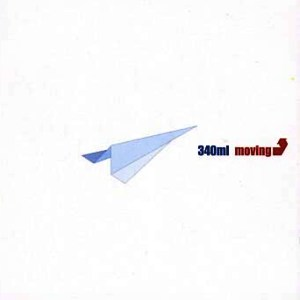
Moving...

340mlIt’s Early Morning, and the sun isn’t even up yet. We all pile into the car, destination Port Elizabeth. There’s some amicable tension in the car, as my brother and I are supporting different teams. I’m for the Elephants, while he insists on supporting the selecção das quinas. He’ll learn his lesson.

The streets of Cape Town have a surreal quality to them, bathed in that peculiar pre-dawn light. To kick off our trip on the right footing, we put on 340ml’s Moving. It’s their first album, their debut into the world. Moving is more experimental than Sorry for the Delay, and incorporates more reggae and dub than the latter. Just the vibe I needed. I’ve only recently started listening to it seriously, as before I would concentrate mostly on the ridiculously sublime track that is Midnight.

Hang on to Yourself (Rachel) and Early Morning are two that I find myself listening to again and again. And of course, just to make things extra clichéd, Early Morning is the song I played as we set out on our 8 hour trip across South Africa. It’s something I’ve wanted to do for awhile – listen to 340ml while in SA.

Hang on to Yourself
Early Morning

É demanhã cedo, e o sol ainda nem sequer se levantou. Entramos todos no carro, encosta aqui encosta ali, destino Port Elizabeth. Há uma tensão amigável no carro, porque eu vou lá para apoiar os Elefantes da Costa do Marfim, e o meu irmão, a selecção das quinas. Um dia ele aprenderá.

As ruas de Cape Town estão compreensívelmente desertas, e o céu, aquela cor estanha que sonha com o aproximar do nascer do sol. Para começar a nossa viagem em grande, botamos o Moving dos 340ml na aparelhagem. É o primeiro álbum deles, a maneira que escolheram para nos conquistar. Moving é um pouco mais experimental que Sorry for the Delay, e contem mais reggae e dub que o seu sucessor. Mesmo a vibe que estava a precisar. Só há pouco tempo é que comecei a ouvir este CD com atenção nas letras, porque antes só devorava a sério o Midnight.

Hang on to Yourself (Rachel) e Early Morning são duas músicas do álbum que oiço com frequência. E, para tornar as coisas ainda mas previsíveis, Early Morning (Manhã Cedo) é a música que touco enquanto começamos a viagem de oito horas pelas paisagens da África do Sul. É que sempre quis ouvir os 340ml no pais deles...

Wednesday, June 9, 2010

Thievery's Brazilian Passion, Part II: Pela Janela and Sol Tapado

Thievery’s love affair with Brazilian sounds and rhythms is a well-known facet of their music. Some of my favorite songs of theirs are sung entirely in Portuguese, such as Só Com Você featuring Bebel Gilberto. Others, like Air Batucada, Samba Tranquille, and Manhã,, focus on fusing popular Brazilian rhythms with electronica and dub rather than having Portuguese lyrics.

This DC duo continues to incorporate Lusophone harmonies and sounds in one of their most critically acclaimed albums, The Cosmic Game. This acid jazz-dub-reggae-samba fest has two songs in Portuguese, namely Sol Tapado and Pela Janela. Sol Tapado is actually sang by a Cape Verdean artist, a certain Patrick de Santos, who is a very popular and gifted singer in the Washington DC area, having won several musical awards there. A visit to his Myspace is a must. Pela Janela meanwhile is still a strictly Brazilian affair, featuring an underground singer from that country, Gigi Rezende. Both songs are back to back on the album and add a welcome Latin affair to the proceedings. Happy listening.

Pela Janela
Sol Tapado

O namoro entre os Thievery Corporation e a música e ritmos brasileiros não é de hoje. Algumas das minhas músicas preferidas deles são cantadas todas em português, tais como Só Com Você com a Bebel Gilberto. Outros, como Air Batucada, Samba Tranquille, e Manhã, fazem uso de ritmos brasileiros misturados com electrónica e dub, mas ou são instrumentais com ou são cantadas em outras línugas.

Este duo de DC, cidade onde eu vivo nos States quando não estou em Boston, continua a incorporar ritmos e influências lusófonas em Cosmic Game, um dos seus CDs mas bem recebidos pela critica e pelo público. É uma festa de acid jazz, dub, reggae, samba, enfim, o que os Thievery nos habituaram, e contem duas músicas em português. São elas Sol Tapado e Pela Janela. Sol Tapado é cantada por Patrick de Santos, um emigrante Caboverdeano que vive em DC e que lá nutre uma grande simpatia pelo público daquela cidade, tendo inclusive arrebatado vários prémios por lá. Já Pela Janela é cantada por uma cantora brasileira que não conheco, a Gigi Rezende. Os dois sons aparecem um atrás do outro no disco e dão-lhe um sabor lusófono.


Cosmic Game on Amazon

Wednesday, February 10, 2010

Neco Novellas

Neco NovellasIf you’re like me and you haven’t listed to a lot of traditionalist folk Mozambican music, listening to Neco Novellas’ latest CD is a novel, albeit soothing experience. New Wave: Ku Khata is his international debut album, and it’s as if one of Mozambique’s most successful singers is telling the world, I’m here, I’ve arrived. The CD is musically diverse, but still stays faithful to what I can only define as roots Mozambican music. Compared to the Angolans, Mozambicans have always been a lot better about singing in their traditional languages, and a large percentage of their mainstream music isn’t sung in Portuguese. In Ku Khata, Neco (Anselmo Johanhane) manages to create a flowing CD that incorporates English, Portuguese, South African and Mozambican dialects; he wraps his multilingual lyrics in a variety of rhythms, including reggae and marrabenta. His sister Isabel Novela sings with him in virtually every track as a backing vocalist, and sometimes the only sounds on the track are their voices, in a beautiful vocalist display that reminds me a bit of the great South African vocal artists Ladysmith Black Mambazo.

Neco Novella’s voice is quite unique and adds another dimension to his music. Of the three tracks posted here, O Sol is my favorite, Vermelha is the most accessible, and Swile Navo is the most distinctive. Swile Navo starts out with the closest I’ve ever heard to Mozambican rock, before midway through switching to a thumping roots reggae track. Vermelha is Neco’s collaboration with Zuco 103’s Lilian Vieira, and the result is a unique fusion of Brazilian rhythms and Mozambican music. Lastly there is O Sol, a melody that is as uplifting as it is haunting. It doesn’t rush you, but instead travels patiently with you, gradually rising in intensity until its final notes.

Swile Navo
Vermelha
O Sol

Ouvir a música do Neco Novellas foi para mim uma experiência nova. Nunca estive muito exposto a música moçambicana e felizmente o facto de escrever este blog está a mudar este facto, rapidamente. Ja são dois artistas moçambicanos numa semana, sebem que estou a batotar um pouco porque o Neco é o irmão da nossa ja conhecida Isabel Novela, e foi por navegar o Myspace dela que dei pelo Neco Novellas. O seu album New Wave: Ku Khata marca a sua internacionalizaçao, ja que foi o primeiro album dele vendido e divulgado fora de Moçambique, onde ele é uma autêntica estrela. O CD tem uma musicalidade diversa, mas continua fiel ao que penso ser o som tradicional de Moçambique. Comparando com os angolanos, os moçambicanos estão muito mais interessados em cantar nas suas línguas nacionais e não em português, e este album é prova disso. Nele, o Neco canta em vários idiomas nacionais, mas também em inglês e português. Canta em diversos ritmos, desde o marrabenta ao reggae. A Isabel Novela esta presente aqui como vocalista em practicamente todas as canções, e às vezes só se ouvem as vozes dele e das irmãs, que nem os Ladysmith Black Mambazo.

A voz do Neco Novellas é fora do comum, e torna as suas músicas mais distinctas. Das três musicas postadas aqui, Sol é a minha preferida, Vermelha é a mais acessivel, e Swile Navo é a mais distincta Swile Navo deve ser a coisa mais parecida ao rock moçambicano, se é que isso existe, mas a meio muda para reggae, e do bom! Vermelha é a colaboração do Neco com a Lilian Vieira dos Zuco 103, numa rara fusão ‘moçambo-brasileira’. Por fim, temos Sol, uma linda melodia, relaxante e calma, subindo de intensidade paulatinamente.

-Photo by JanAnneO

Neco Novellas on Myspace

Tuesday, January 19, 2010

Quitte le Pouvoir, by Tiken Jah Fakoly

Tiken Jah FakolyThere are some places that politics doesn’t belong, and this site tries to be one of them, even though Lusophone music tends to have strong political connotations (Azagaia, MCK, the strong musical independent movement in Angola and other Portuguese ex-colonies in the ‘60s and 70s). But sometimes it’s hard to be impervious to such an affront to democracy and good governance. During the ongoing CAN championship Angola’s state party approved a new constitution which strips us of the right to directly elect our next president in a free and fair election; rather, the president will be elected during the legislative election process where whoever is the first MP on the list of possible MPs of the winning party is automatically chosen president.

And thus Angola slides towards an increasingly totalitarian reality. A sham of democracy.

The disgust I feel at our new reality is best summed up by one of my favorite reggae artists, Tiken Jah Fakoly. This brave man hails from Cote d’Ivoire and is himself not adverse to political controversy – his sharp tongue and knack of exposing contradictions, corruption, and outright lies perpetrated by the governments of Western Africa have seen him declared persona non grata in several west African countries.

Quitte le Pouvoir is especially suited for the Angolan reality; in translates as ‘Leave Power’. “Mr. President, if you love your country, step down,” sings Tiken Jah. The song speaks for itself.

Quitte le Pouvoir

Não gosto muito de misturar cultura e musica com política (principalmente neste site) mas as vezes é dífical não o fazer, mesmo porque a música lusófona tende a ter fortes conotações políticas (MCK, Azagaia, o movimento musical independentista de Angola e outras ex-colónias portuguesas nos anos 60 e 70s). Há vezes que é extremamente dífical matermo-nos impávidos face os grosseiros ataques a ‘democracia’ angolana. A semana que findou foi mais um exemplo desses ataques: foi aprovado o Versão C da nova constituição angolana, que entre outras anormalidades acaba com o nosso direito de eleger o nosso presidente directamente atravéz de eleiçoes livres e justas. Em contrapartida, o presidente passa a a ser simplesmente o cabeça de lista dos deputados cujo partido vence as eleições legislativas. Ou seja, os cidadãos angolanos deixam de ter o direito de escolher por sua livre vontade, e em eleições separadas, quem será o seu presidente.

E assim Angola caminha para uma democracia de faz-de-conta, rumo ao calar das opiniões contrárias.

O desgosto que tenho face a este atentado ao processo democrático angolano é melhor exprimido por o único, o irreverente, o Tiken Jah Fakoly, um artista reggae da Costa do Marfim. A sua língua afiada e as suas críticas duras contra os regimes corruptos e ás vezes mentirosos de alguns países do oeste africano ja o fizeram ser considerado persona non grata nestes mesmos países.

Quitte le Pouvoir é especialmente adequado a nossa realidade. Traduzido, significa ‘Deixa o Poder’. Senhor Presidente, pelo bem do teu país, deixa o poder, canta ele. A música fala por si.

- Photo by Matthieus

Tiken Jah Fakoly's official site
Tiken Jah on Myspace

Friday, December 18, 2009

Saudades de Buenos Aires: Aire, by Los Cafres

Palermo, Buenos AiresI only lived there for two months, but it was enough to fall hard in love with this city. There is a certain point of time after you stay in a place that you stop being a tourist and instead are taken over by the daily grind and routine of a city. It becomes part of your daily existence. Once I started taking the bondis (buses) to work, figuring out where the best places to buy bife de lomo were, discovering which Belgrano sidewalks to avoid because they would be perpetually covered in dog shit, which store in Palermo Soho had the best men’s clothes, and so on and so forth, the city became a part of you, and there was no turning back. Our nightlife experience even started to develop a routine of its own, although by no means did it ever get boring. Stay there long enough and you might even pick an allegiance – I was celebrating Falcao’s goals for River Plate even before he joined my beloved FC Porto. The design capital of the world was an assault on all senses, and I feel that cities like Luanda could learn a lot about preservation and cultural heritage from places such as this (though Palermo Soho is grappling with conservation problems of its own). I think about this city daily – the friends I made, the malbec I drank, the beautiful porteñas, the music of Los Cafres. Here to assuage the nostalgia is a great track by my favorite Argentine roots reggae band, called Aire.

I need to go back.

Aire

Palermo Soho, Buenos AiresNem posso me armar que sou ja grande argentino e que tenho ja bué de saudades de Buenos Aires. Mas uma coisa é certa. Viver numa cidade durante dois meses é o suficiente para se apaixonar dela, e eu não fugi a regra. Apaixonei-me e de que maneira. Há uma diferença fundamental entre turista e residente. Atinge-se um certo ponto, penso que talvez depois de 3 semanas, em que se entra na rotina do dia-a-dia. Comecei a fazer coisas que nunca faria como turista: andava de autocarro até ao salo (era estágiante), descobri onde comprar o melhor bife de lomo no meu bairro, descobri que passeios estavam mais cobertos com fezes de cão, descobri que loja em Palermo Soho (bairro alternativo e chic de Buenos Aires) vendia a melhor roupa pra homem, e por aí em diante. A cidade virou parte de mim e eu virei parte dela, e estava lançada a amizade. As noites começavam a ganhar uma certa rotina mas nunca perdiam a sua exuberância, porque noite como em Buenos Aires ainda não encontrei. Fiquei lá o tempo suficiente para escolher equipa e tudo: comecei a vibrar com os golos do Falcao (pelo River Plate) muito antes dele ir para o meu FC Porto. Buenos Aires é também conhecida como a Capital Mundial do Design, e penso que cidades como Luanda têm muito que aprender com a capital argentina em termos de conservação de espaços e edíficios culturais. Ter arranhã-céus não é tudo na vida. Cada dia que passa penso em Buenos Aires, e as vezes a minima coisa faz me lembrar aquela cidade. Penso nos amigos que fiz, no malbec que bebi, das porteñas lindas e armadas que conheci, nos reggaes de Los Cafres. Aqui para matar as mihas saudades esta uma grande música da minha banda de roots reggae argentina preferida, música esta de nome Aire. Longa vida a Los Cafres e a Buenos Aires.

Tenho que la voltar.


-Photos: Palermo Viejo, Buenos Aires, Argentina by g_u, and Palermo Soho, Buenos Aires, Argentina by psycho roy

Friday, November 27, 2009

Late Nite Lounge Vol. 3: Vagarosa, by CéU


There was no Late Nite Lounge (LNL) last weekend, so this one is to make up for it. The music of this LNL installment comes entirely from CéU’s second solo album, Vagarosa, which stays true to what we have come to expect from one of Brazil’s hottest contemporary artists. A downtempo ambiance, her exquisite voice, and jazzy arrangements throughout. It’s made for the late nights and drips with sensuality. I included my three favorite songs from Vagarosa. The first one is Cangote, a reggae-influenced track that might remind you a bit of Vanessa da Mata’s Brazilian reggae, though CéU’s fare is definitely more tripped out. Next up is Grains de Beaute, a slow-paced, jazzy encounter with her voice in top form. Not to be outdone is the track Bubuia, my preferred one of the three. It’s hard to classify it and pin-point what about it makes it so appealing…I’ll leave that up to you. Something about it's retro-sound has this track on repeat on my iPod. Enjoy!

Cangote
Grains de Beaute
Bubuia

Como não houve Late Nite Lounge (LNL) o fim de semana passado, este fim de semana têm direito a dois. Nesta versão, a bela e talentosa cantora contemporânea brasileira CéU é destacada, com três músicas do seu mais recente trabalho discógrafico, Vagarosa. O vibe downtempo e relaxado, a sua voz de mel e os arranjos de jazz fazem desta pequena colecção uma delicia de se ouvir e perfeita para as noites tardias, quando o sono demora a vir. Incluídas aqui estão as minhas músicas preferidas de Vagarosa. A primeira é Cangote, um reggae abrasileirado que faz lembrar alguns reggaes de Vanessa da Mata, se bem que o reggae de CéU é mais aventureiro e fora do comum. A seguir vem Grians de Beaute, lento e sensual com sabor a jazz e uma demonstração do poderio vocal desta cantora. Por último, Bubuia, a minha preferida. É difícil encontrar o adjectivo perfeito para caracterizar esta canção. Vou deixar isto pra si. No interim, carregue no play...

- Photo by Raphael Fagundes
Related Posts Plugin for WordPress, Blogger...