This isn't a typo. I really do mean
2011.
I used to make fun of the guys at
Wakuti Musica and Luaty at
Musica Uhuru for going months without updating their blogs. Now I can finally relate. This post was due a little over
1 year ago. As other projects, events, and dreams have gotten in the way, my Lusophone music consumption greatly suffered, and with it the pace of writing at the Lounge. I didn't even finish listening to most albums below until well into 2012.
But what great albums they are. From
Komba (Buraka Som Sistema) to
Proíbido Ouvir Isso (MCK) to
Cherry on My Cake (Luísa Sobral), 2011 was (another) stellar year for Lusophone music. There were more collaborations among luso-artists and there were many high-profile concerts and musical events in the main Lusophone capitals in the world and several cities beyond those. Music in Portuguese is becoming ever more popular. I was lucky to see several Brazilian musicians here in New York and even got to see Buraka in action, and in a testament to all great albums, many of the ones profiled below are still in heavy rotation on my iPod, over a year after they came out.
Below were
my favorite Lusophone albums of 2011.
Não, não é um erro. Quis mesmo dizer 2011.
Antes ria-me dos manos do Wakuti Música e o Luaty do blog Música Uhuru por ficarem meses sem um novo post nos seus respectivos blogs. Finalmente posso perceber o que causa este “silêncio”. Blogar todos os dias é obra, e este post que escrevo neste momento era pra sair há mais de um ano atrás. Um ano! Mas o tempo foi passando e a vida foi acontecendo. Projectos, eventos e sonhos foram surgindo e o meu consumo de música lusófona sofreu com isso, bem como a frequência dos posts neste espaço. Só acabei de ouvir os álbuns aqui perfilados já bem no meio de 2012.
E que grandes álbuns temos aqui. Desde o Komba (Buraka Som Sistema) ao Proibído Ouvir Isso (MCK) ao Cherry on My Cake (Luísa Sobral), 2011 tem sido (mais) um ano excelente para a música lusófona. Houve mais colaborações entre artistas lusófonos, grandes eventos culturais nas principais capitais da lusofonia e não só, e nota-se o crescimento da popularidade da música lusófona à volta do mundo. Tive a oportunidade de ver vários músicos brasileiros aqui em New York, incluindo os Buraka. E como todos grandes álbuns, os aqui perfilados continuam em constante rotação no meu iPod, mais de um ano depois de terem saído.
A seguir, os meus álbuns preferidos de 2011.
10. Komba, by Buraka Som Sistema (Portugal/Angola)
Buraka’s rise has been meteoric. They’ve basically carried the kuduro sound all over the world and made it cool outside of Luanda’s streets. It’s the first, if not the only, Luso-Angolan group that has truly become a globally-known band, selling out concerts from Rome to Tokyo to Paris to Mexico City (which is, incidentally, one of
Conductor’s favorite cities for a Buraka concert). This year marked the first time they performed in India, where they gave their local New Delhi fans a taste of their infections electro-kuduro sound. And I finally had the opportunity to see them right here in New York City, in an unforgettable concert. Their music is still pure energy: festive and frenetic with a highly contagious rhythm that denotes a certain evolution in their sound, evidenced by some of the artists that they invited for this album. Sara Tavares on a kuduro? Yeah. Why not?
Voodoo Love
A ascenção meteórica dos Buraka tem sido vertiginosa. É o primeiro, se não o único, grupo luso-angolano que conseguiu realmente se impôr no mundo como uma banda global, esgotando concertos de Roma à Tóquio a Paris a Cidade do México (que por acaso é um dos lugares preferidos do Conductor). Este ano levaram pela primeira vez a sua mistura contagiosa de kuduro e electro à India, num concerto inédito em Nova Delhi. E eu finalmente tive a oportunidade de os ver actuar aqui em Nova Iorque, num concerto inesquecível. A música, esta continua energética, festiva, frenética, num ritmo alucinante em que se nota alguma evolução sonora da banda, mesmo vendo pelos artistas que eles decidiram convidar desta vez. Sara Taveres num kuduro? Ya. Porque não?
9. Chapa '97, by Cacique '97 (Portugal/Mozambique)
Afro-beat in Portuguese. I still can’t get over that. For people who love this genre, Luso-Mozambican collective Cacique ‘97’s new EP is tasty. It has all the ingredients with which these musicians have made us love them and also features another artist that we’ve grown to love, Nástio Mosquito. Cacique’s live performances, which make up 4 of the 6 songs in this EP, are full of life. Chapa ’97 is the standout here – it’s such a great tune. It was inspired by the unrest in Maputo towards the end of 2010, triggered by yet another price increase of basic goods. True, this only an EP and not a true album, but the energy in Cacique’s live performances and the quality of the work here merited its inclusion. Chapa ’97 live is something else.
American Cop
 |
| Cacique '97, by flun |
Afro-beat em português. Para amantes do género, o novo EP da malta luso-moçambicana dos Cacique ’97 está saboroso. Tem todos os ingredientes com os quais estes músicos já nos habituaram e conta também com a participação de artistas que muito apreciamos, entre eles o Nástio Mosquito. São dois temas inéditos e 4 sons gravados ao vivo. Chapa ’97 é muito som, e o meu preferido. Foi inspirado nos confrontos que surgiram em Maputo em 2010 depois de mais uma súbida dos preços de produtos básicos. Sim, isto é só um EP e não um álbum própriamente dito, mas a qualidade do trabalho motivou a sua inclusão nesta lista. Chapa ’97 ao vivo é outra coisa.
I was very impressed by the musical quality of Mallu's third studio album and how, at just 20 years old, she has truly found her voice. Pitanga contains confidence and assurance not usually seen in artists this young. The sound of her album is a unique mix of MPB, bossa nova, and folk rock, combining genres seldom seen in a Brazilian production. She binds it all together with that sweet, delicious voice of hers that she uses to great effect. It's almost like a caress, the way she whispers. Pitanga is the album I'd play on quiet nights while sipping a drink or lazy Sunday afternoons; it has a soothing effect. Sambinha Bom was one of my favorite tracks that year and one I still listen to regularly.
Highly Sensitive
Fiquei positivamente impressionado pelo terceiro álbum da Mallu e como ela, aos 20 anos, já foi capaz de encontrar a sua voz e o seu estilo próprio de interpretar a música. O álbum chama-se Pitanga e nele a Mallu liberta-se, mostrando confiança e certeza em si própria, no seu talento, e na sua música, confiança esta que nem sempre é comum em artistas tão jovens. O som dela é uma mistura incomum de MPB, bossa nova, e folk rock, géneros que normalmente não coabitam numa produção brasileira. A voz deliciosa, sussurrante dela actua como um instrumento sobre as diversas melodia. É quase como uma carícia, a voz doce dela. Pitanga é o álbum que toco em noites calmas enquanto aprecio um vinho ou então em tardes preguiçosas de domingo; tem um efeito acalmante. Sambinha Bom é uma das melhores músicas que ouvi em 2011 e uma que ainda toco regularmente.
7. World Massala, by Terrakota (Portugal)

I have a lot of love for Terrakota. Their musical versatility is simply incredible. World Massala, their most recent album, is a previously unheard of mix of Lusophone music and Indian music, and they actually traveled to the Indian subcontinent to drink the music from the source. I’m also a fan of Terrakota for reasons beyond their music. They’re environmentally-friendly stance, their simple and altruistic lifestyle, their complete disregard for imaginary land borders, and even their political choices are qualities I greatly appreciate. When Angolan youth were getting beat up in the streets of Luanda for legally protesting against the regime, Terrakota showed their indignation is social media platforms and even in concert, when they, alongside the regime’s favorite protestor Ikonoklasta, showed their solidarity with the Angolan youth that had been farcically incarcerated. Despite its Indian flavor, World Massala also has some more afro-centric and Brazilian-sounding jams.
Ilegal below is one of them.
Ilegal

Tenho muito amor pelos Terrakota. A sua versatilidade musical é simplesmente incrível. O World Massala é uma mistura previamente inexistente de música lusófona com ritmos indianos, e eles viajaram até ao subcontinente asiático para sentirem de perto a música. Mas também aprecio muito a postura deles enquanto artistas e seres humanos. Gosto da atitude ambientalista deles,a forma simples e altruísta como encaram a vida e até mesmo das suas opções mais políticas: quando os jovens angolanos estavam a apanhar porrada nas ruas de Luanda por se manifestarem, os manos da Terrakota mostraram a sua indignação nas redes sociais e na mesma altura realizaram um concerto com o “arruaceiro-em-chefe” em que o mesmo, e a banda, se mostraram solidários com os jovens injustamente incarcerados. Apesar do seu sabor indiano, o World Massala também contém ritmos do continente berço e outros com sabor mais brasileiro. Ilegal
acima é um deles.
It’s one of my favorite albums to listen to in the morning as I’m getting ready to work and also during my commute. It has the power to clear my mind, to relax me, to prepare me for the day ahead. It is definitely the best album to come out of Cape Verde in 2011. Dor de Mar is another strong effort from Tcheka, full of beautiful melodies and haunting tunes that only a Cape Verdean can create and only those islands can inspire. And once again, the songs are enhanced by Tcheka’s voice – the man can sing. This album is Tcheka’s fourth and I hope for the sake of Lusophone music that he continues to give us these sonic treasures.
Pexera Porto
É dos meus álbuns preferidos para ouvir logo de manhã enquanto me preparo para o trabalho, e também adoro ouvi-lo no subway. O álbum relaxa-me, clarifica-me a mente e prepara-me para enfrentar o dia. É definitivamente o meu álbum preferido a sair de Cabo Verde em 2011. Mais uma vez o Tcheka conseguiu compôr um álbum musicalmente forte, repleto de lindas melodias e canções que só um caboverdeano pode sonhar e só aquelas ilhas podem inspirar. E mais uma vez cada melodia, cada canção é reforçada pela voz do Tcheka...realmente o homem sabe cantar. Este já é o quarto álbum do Tcheka e pelo bem da música lusófona, espero que continue a nos oferecer estes tesouros sonoros.
5. The Cherry on My Cake, by Luísa Sobral (Portugal)
Several publications considered Luísa Sobral's debut album
The Cherry on My Cake as the best Portuguese album of 2011 and I'd have to agree. What an assured and accomplished debut by the young woman. She has a wealth of talent at her disposal and if her breakthrough success on both sides of the Atlantic (US and Portugal) is anything to go by, she'll be singing for awhile. I love that Luísa made the choice to sing in both Portuguese and English; it gives her jazzy, lighthearted album a distinct sound and feel. Hearing her croon in Portuguese is particularly satisfying, and her English still retains a bit of a Portuguese accent. I'm a huge fan of accents, especially when sung to music like this.
Not There Yet was amongst my favorite songs of 2011, while
O Engraxador below is another standout track.
O Engraxador
Várias publicações consideraram o álbum de estreia de Luísa Sobral, The Cherry on My Cake, como o melhor álbum português de 2011. Terei de concordar. Que grande estreia por parte de uma cantora tão nova e talentosa. O facto que a Luísa encontrou sucesso não só em Portugal como também aqui nos States logo na primeira tentativa é prova que ela veio para ficar. Adoro o facto dela ter escolhido cantar tanto em inglês como em português; a presença dos dois idiomas, a maneira como as duas línguas funcionam igualmente bem nas músicas jazzy e alegres, torna o álbum distinto. Sou um apreciador de jazz em português e não é todos os dias que o oiço. E também sou um apreciador de sotaques - gosto de ouvir o sotaque aportuguesado do inglês da Luísa. Not There Yet, single do álbum, foi dos meus sons preferidos de 2011, enquanto que O Engraxador
é outro tema que aprecio.
4. Clave Bantu, Aline Frazão (Angola)
After I found out about Aline and her music, I dreamt of seeing her play at the Luanda Jazz Festival. I also hoped that one day she would edit an album, even though she said she had no plans to do so at the time. In 2011 she released her studio debut Clave Bantu and in 2012 she played in the Luanda Jazz Festival. Some dreams do come true, apparently...
There are not many albums like this one in the Angolan market. There aren't many albums with this sublime simplicity, this beauty, this lightness. Guitar, voice, percussion. It's an album that's easy to listen to and contains influences from other Lusophone areas, including Brazil, Cape Verde, Portugal, and...Galicia. It was independently produced and released by Aline herself. Of the 11 tracks, two were written by very well known Angolan authors: Ondjaki wrote
Amanheceu while José Eduardo Agualusa wrote
O Céu da Tua Boca. The other nine songs are Aline's. I'll leave you with
Na Boca do Mundo, one of the standouts.
Na Boca do Mundo
Pouco após conhecer a Aline sonhava em ver-lhe cantar no Luanda Jazz Festival. Sonhava também em escutar um disco dela, porque na altura em que comecei a ouvir as suas músicas ela nem sequer tencionava lançar um álbum. Em 2011 ela lançou Clave Bantu e em 2012 cantou no Luanda Jazz Festival. Alguns sonhos tornam-se realidade...
Não existem muitos álbuns como este no mercado angolano. Não existem muitos álbuns com esta liberdade, esta beleza, esta simplicidade. Guitarra, voz e percurssão. É um álbum de audição fácil, suave, com influências de vários pontos da lusofonia, incluindo Brasil, Cabo Verde, Portugal e...a Galicia. Foi produzido de forma independente. Das onze faixas, duas foram escritas por conhecidos cantores angolanos: o Ondjaki escreveu Amanheceu
e o José Eduardo Agualusa é o autor de O Céu da Tua Boca
. As outras nove músicas foram lindamente escritas pela Aline. Fique com Na Boca do Mundo.
.jpg)
His songs usually don't play on the radio - only his tamer songs get airtime. His videos aren’t shown on TV. He’s anti-regime. Still, his album release event in Luanda's Praça da Independência attracted more crowds than any other release event in the capital that year. Thousands of people turned up to try to get a copy of one of the most anticipated album of the year. Once again, with his characteristic humility, MC Katrogipolongopongo calmly sold out his album and continued to spread his unique brand of social critique. He then went to the provinces and did the same thing. The effect was immediate. The phrase 'país do Pai Banana' (father banana's country) entered into the national lexicon. Even Rafael Marques took a break from his usual articles and wrote an extensive piece on this album, becoming a music blogger for a day. Proibído Ouvir Isso features some heavy-hitters of the Lusophone music scene, including Angola's Paulo Flores and kuduro artist Bruno M, and Portuguese producing maestro Sam the Kid. This was simply the best Angolan rap album of 2011 and the one that was able to create serious discussion about the social ills that plague us as Angolans.
Eu Sou Angola
Não tocava na rádio. Não passa na televisão. É anti-regime. Mas mesmo assim, o lançamento do mais novo disco do MC do Bairro de Lata foi talvez o lançamento mais concorrido do ano em Luanda. Eram milhares de pessoas ávidas em conseguir uma cópia do CD. Mais uma vez, com a humildade que lhe é característica, o MC Katrogipolongopongo encheu a Praça da Independência em Luanda e vendeu milhares de exemplares. Depois viajou pelas províncias e fez o mesmo. O efeito foi imediato. A frase “país do Pai Banana” entrou no léxico nacional. O álbum foi motivo de um artigo extenso no site do Rafael Marques e fez com que o homem se tornasse music blogger por instantes. Contou também com a participação de grandes talentos do panorama musical angolano e não só, entre eles o Bruno M, Paulo Flores e Sam the Kid. É simplesmente o melhor álbum de rap angolano de 2011, e mais do que isso, foi álbum que mais despertou a nossa consciência crítica como cidadãos angolanos. Ponto final.
2. Lovers Rock Inna Week, by Grasspoppers (Portugal)

It's an ambitious, heavy-hitting album, filled with musicians at the top of their game. Selma Uamusse. Milton Gulli. Helder Faradai. Just to name a few. Cape-Verdeans, Mozambicans, Angolans. English, Creole, and Portuguese. This album has it all. Grasspoppers released the album for free on their website, which means that you (still) have the possibility of listening to quality Lusophone reggae without spending a single cent. When the album first came out I was unable to listen to much of anything else for days. On the subway on the way to work, at home as I made dinner, in the city streets as I walked to friend's houses, it was Lovers Rock that was playing. I still listen to it regularly over a year after its release.
Carta a Uma Cidade Anoitecida was among my absolute favorite songs of 2011. At night, in the quiet dark, alone or with company, or on that night drive when it seems the road is all yours, there are few better songs to play than that one. This was, without a doubt, one of the albums that most influenced me in 2011.
Black Brothers Riddim

É um álbum estonteante, com personagens em grande forma. Selma Uamusse. Milton Gulli. Helder Faradai. Só para citar estes. Cabo-verdianos, moçambicanos, portugueses, angolanos. Português, crioulo, inglês. O álbum tem de tudo. Os manos dos Grasspoppers ofereceram o Lovers Rock de graça no seu website. Ou seja, tem a possibilidade de escutar reggae lusófono de qualidade sem gastar um único centavo. Quando o álbum saiu, ouvia-o durante dias seguidos. No subway a caminho do trabalho, em casa enquanto preparava o jantar. Ainda o oiço com frequência, mais de 1 ano depois de ter saído. Carta a Uma Cidade Anoitecida
foi talvez a música que mais gostei de ouvir em 2011. À noite, no escuro, na solidão ou com uma companhia, no carro de madrugada com a estrada vazia, não conheço melhores músicas para se escutar. Este foi, definitivamente, um dos álbuns que mais me marcou em 2011.
1. Nó na Orelha, by Criolo (Brazil)

Quite simply the best Lusophone album of 2011, and definitely the best Lusophone rap album to come out in some time. It was considered by national and international publications as the best Brazilian album of 2011. Nó na Orellha broke down several barriers and introduced Criolo to a worldwide audience. On the success of this album, Kléber Gomes, his real name, finally left São Paulo and held live concerts in Paris, London, and right here in New York City, introducing rapt audiences to the distinctive rhythm of his
Paulista rap. There's a lot to love about this album. It is the complete package: lyrically profound, excellently produced, and so much more than just rapping. Criolo infused his brand of hip hop with soul, intelligence, and a distinctly Brazilian identity - he sings in some tracks, croons in others and then lays down rhymes with the same skill as the best. From the afro-beat opener to the samba closer, Criolo's second album contains several sonic landscapes, among them funk, MPB, blues, and brega. It is a trascendental album and further establishes São Paulo as the source of all that's brilliant about modern Brazilian, and Lusophone, music.
Lion Man
Simplesmente o melhor álbum lusófono de 2011, e definitivamente o melhor álbum de rap lusófono que eu ouvi nos últimos tempos. Foi considerado como o melhor álbum brasileiro de 2011 por várias publicações brasileiras e internacionais. Nó na Orelha quebrou vários preconceitos e apresentou o Criolo à uma audiência mundial. Por causa do sucesso deste álbum o Kléber Gomes, como também é conhecido, teve a oportunidade de actuar ao vivo em várias capitais mundiais, incluindo Paris, Londres, e Nova Iorque. Introduziu o seu rap paulista ao mundo. Há muito que respeitar e apreciar neste álbum - é um trabalho completo. Liricamente profundo, excelentemente produzido, e muito mais que rap. Este MC conseguiu criar o seu próprio estilo de rimar e encarar o hip-hop. O hip-hop do Criolo tem soul, inteligência e uma identidade brasileira distinta. E como se não bastasse, este homem também sabe cantar. Não existe amor em SP é uma obra de arte por si só. Desde o afro-beat da primeira música ao samba da última, Nó na Orelha é uma viagem por várias paisagens sonoras, incluindo funk, MPB, blues e brega. É um disco trascendente que mais uma vez estabelece São Paulo como a fonte de tudo que é brilhante na música brasileira e lusófona moderna.


 Sei Lá
 Nesta
Nesta


.jpg)


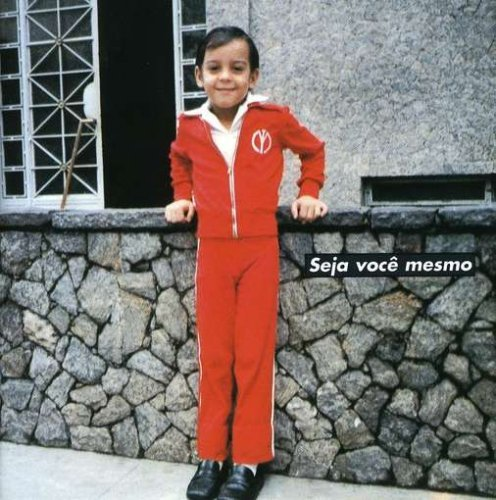
 Seems like I'm still in a Gabriel o Pensador sort of mood. While Até Quando, featured here over the weekend, was an angry, rebellious, defiant call to arms, Sei Lá calms the mood considerably. It's the last track on the album Seja Você Mesmo (Mas Não Seja Sempre o Mesmo) and showcases a soulful, mellow, laid back Gabriel. Singing about love, no less. O Pensador is one of the finer Lusophone wordsmiths (just look at the name of the album) and in this song he's no different. The way his rap glides over this particular beat is effortless. Press play, feel the lyrics, lounge around and groooove...
 Once in awhile (or more often than not, depending on your patience, your optimism), Luanda can become a difficult, bureaucratic beast. Or worse, a repressive concrete slum jungle full of contrast and contradiction. Once in awhile you'll cease to see the beauty of the Marginal, the serene view of Luanda as seen from Miramar, the way the São Miguel Fort lights up against the backdrop of the night sky. Once in awhile it gets to you: the injustice, the inequality, the crime, the police brutality. The corruption, the obscene display of ill-gotten wealth, the rampant unemployment, the kids that aren't in school, the omnipresent dust. The slums, the potholes, the increasingly paranoid, oppressive regime. But what gets me the most is the attitude. The mentality. And above all, the impassiveness of the people in the face of such avoidable adversity. Até Quando? (Until When?)
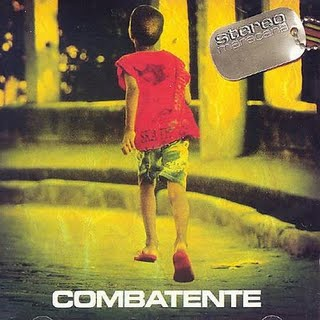
 It’s the tenth track on Stereo Maracanã’s CD Combatente and one of the top jams of the album. Like any great CD, Combatente gets better with repeated listenings. You know how sometimes you listen to a CD and then forget about it for a while, only to pick it up later and rediscover a song?
 For music lovers, one the greatest feelings in the world is stumbling upon a new artist or a new band. It’s a difficult feeling to describe really, but it feels a bit like opening a window into a new form of existence, one in which you are now aware that such an artist or band makes the particular sort of music that appeals to you and has the ability to impact your mood. I don’t remember exactly how I found out about Max de Castro; I think I was researching some other artist, or snooping around searching for new tunes, when I came across his name. I played some of his tracks and within 10 minutes made the fateful decision to get his first album, Samba Raro.
 Comprised of Mauricio Pacheco (Comfusões), Bruno Pé de Boi, Jovem Cerebral, Biguli, Ruvicio Gomes and Pedro D-Lita, Stereo Maracanã’s sound is as diverse as their line-up. When you experience the blast of sound that comes from your headphones/stereo, you’ll realize that their vibe can best be described as an eclectic mix of hip-hop, funk, afro-beat, reggae, and capoeira polished with superior electronic programming by our well-known Mauricio Pacheco, who is no novice on the mixing tables. Stereo Maracanã are from Rio de Janeiro and proud of it. Their sound is grimy and real, and their lyrics are socially conscious, strongly so. Their message is one for the masses, and they love to speak out against social exclusion, social injustice, and inequality in the distribution of wealth, themes that any visitor to Rio will readily recognize. Included here is their hit Freestyle Love, a song I'm currently addicted to, as well as the anthem Sou Local and the mellower Esta É Uma Historia – listen to the lyrics and bob your head to the sound of Rio's pulse.


 Posts
Posts


